Uganda, DR Congo Officials Hold Cross-Border Security Meeting in Zombo
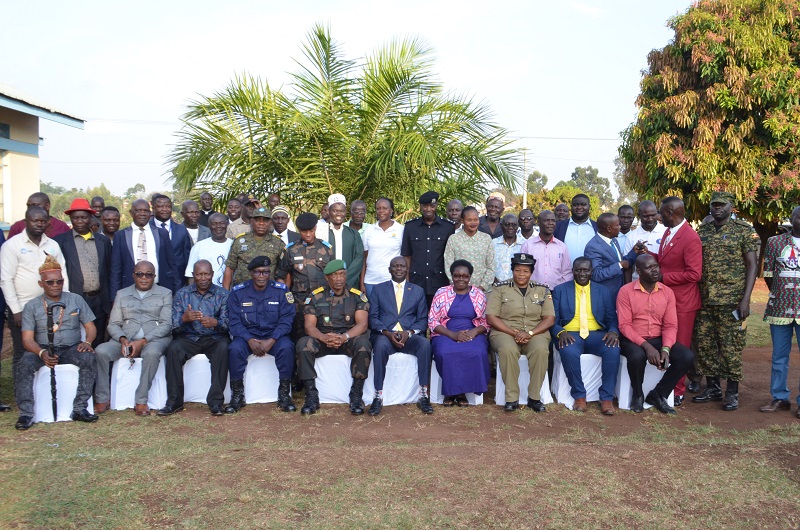
Uganda and DR Congo officials pose for a group photo shortly after the meeting in Zombo on Friday. Photo Credit; Andrew Cohen Amvesi
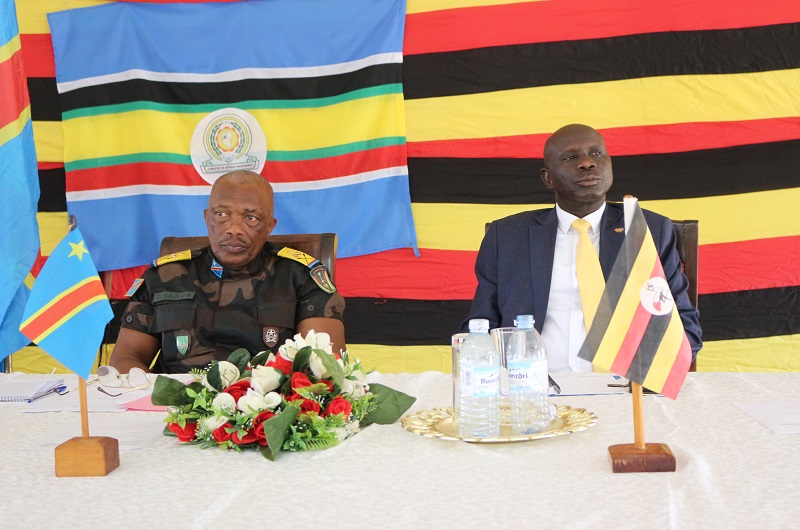
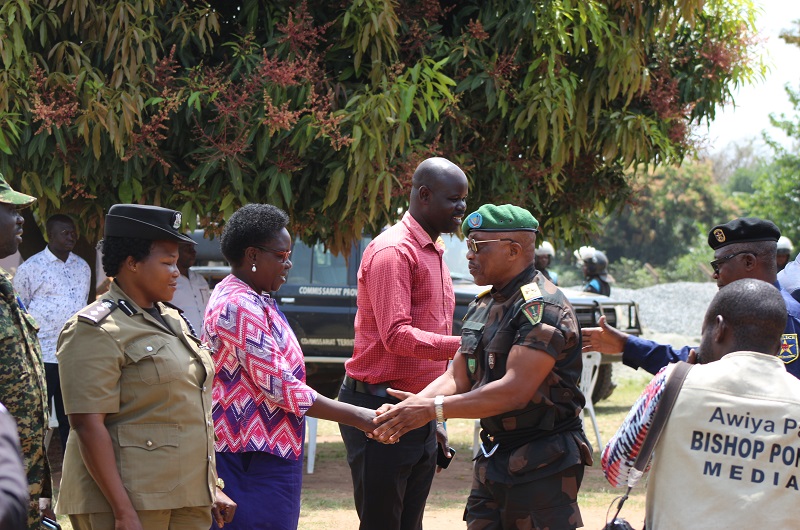
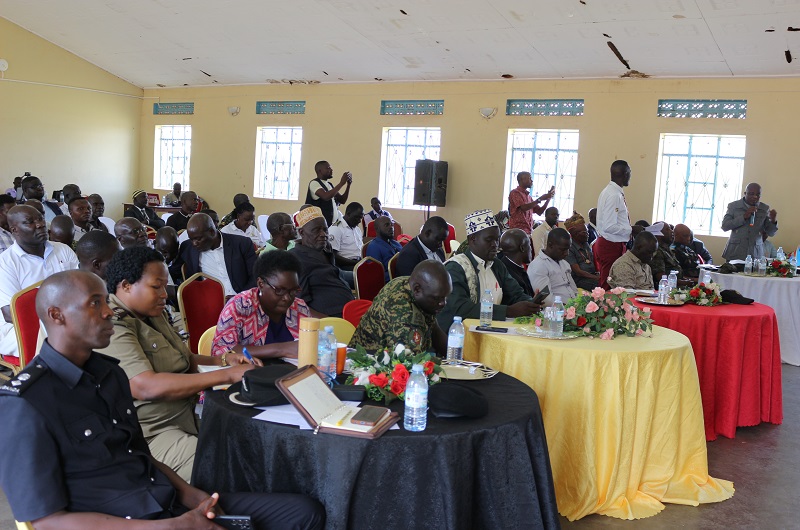
ZOMBO – Officials from Uganda and the Democratic Republic of Congo (DRC) have convened a cross-border security meeting in Zombo District to address persistent challenges affecting communities on both sides of the border.
The meeting, held on Friday, February 13, 2026, at Paidha Cultural Centre in Paidha Town Council, brought together delegates from Zombo District in Uganda and Mahagi Territory in DRC.
Zombo Resident District Commissioner (RDC) Festus Ayikobua commended local leaders for their ongoing commitment to the safety and well-being of people across the border.
“We are gathered here today to discuss recent security developments, assess our current risk landscape, and strengthen collaborative mechanisms to ensure a secure and peaceful environment for our communities. Our shared goal is to adopt a proactive rather than reactive approach to security and cross-border management,” Ayikobua said in his opening remarks.
He highlighted several key challenges, including ongoing border disputes in Pedea, Paidha Town Council, and Jangokoro sub-counties; areas that, according to GPS coordinates, lie within Ugandan territory.
Ayikobua noted that while Uganda waived the USD 50 visa fee for DRC nationals following the latter’s accession to the East African Community (EAC), Congolese authorities continue to charge EAC citizens USD 183 for monthly visas and USD 53 for weekly visas, undermining EAC integration principles.
He also pointed to multiple roadblocks, illegal charges on Ugandan traders, and tax disparities between the two countries, which fuel smuggling and hinder legitimate trade.
Additionally, limited cooperation and intelligence sharing on armed groups such as the ADF, CODECO, cattle rustlers, and alleged harboring of militias continue to hamper security collaboration.
Ayikobua cited a specific incident on January 4, 2025, when Congolese army and police personnel reportedly entered Ugandan territory at Awasi village, Ogwaronen, Yada Parish in Jangokoro sub-county without prior notification or clearance. The incursion halted borehole drilling intended to serve traders and residents at the bi-weekly Awasi border market.
“We need clear protocols for handling criminals arrested in cross-border incidents to promote brotherhood, collaboration, and mutual trust in line with the EAC vision of peaceful coexistence, enhanced security coordination, and increased commercial activity for socio-economic transformation,” he appealed.
Zombo District Chairperson James Oruna Oyulu expressed excitement about the meeting, emphasizing the importance of addressing issues early to prevent escalation and foster a friendly environment for resolving future disputes.
Gartrude Collins Obedi, the Commissioner for RDCs and RCCs in West Nile, called for an end to the harassment and stopping of Ugandans at the border to allow business to thrive on both sides. She also raised concerns about recovering property stolen from Uganda and taken to DRC, as well as Congolese chiefs using the national army to settle local disputes.
Obedi urged the formation of a joint security team to manage cross-border insecurity cases.
Mahagi Territorial Administrator Col. Jacque Disanoa Lalua thanked Presidents Yoweri Kaguta Museveni of Uganda and Félix Antoine Tshisekedi Tshilombo of DRC for their shared vision of people’s well-being and regional security. He praised Ayikobua for convening the meeting, which provided an opportunity to examine issues undermining cross-border relations.
“Mahagi and Zombo share deep socio-cultural and traditional values that bind our people. Politics cannot sever these ancestral links. Colonial borders divided us without consultation, and we must reject any lingering separation at the expense of our African brothers,” Disanoa said.
He proposed that, as a long-term solution to border conflicts, the governments of Uganda and DRC fund the Joint Technical Commission to demarcate the common border from Lake Albert in Mahagi Territory to Pakwach District in Dei—building on earlier demarcation from Kampala market in Logiri Sub-County to Vurra Customs and Otso in Aru Territory.
Disanoa encouraged Ugandan authorities to contact his office directly for swift action on issues such as recovery of stolen property or harassment of traders, noting that mistreatment sometimes occurs without his awareness. He stressed that such problems exist on both sides and called for joint sensitization of communities, leaders, soldiers, and chiefs to end harassment and promote peaceful coexistence.
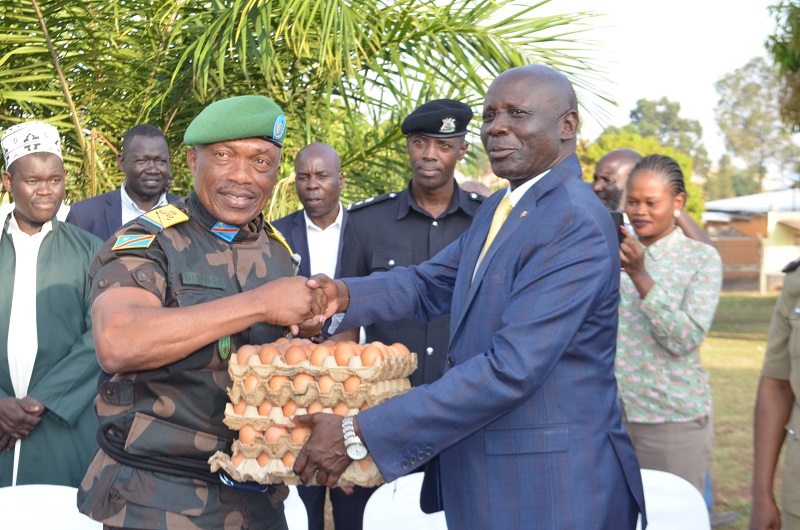
Delegates agreed to empower cultural leaders to resolve initial cross-border challenges, mobilize communities in disputed areas to embrace government programs, and foster harmonious living.
Prince Lawrence Opar, Prime Minister of the Alur Kingdom, emphasized that most people in Mahagi are Alur and should live in peace with their kin in Uganda.
SSP Josephine Angucia, West Nile Region Police Spokesperson (representing the Regional Police Commander), reported that the region remains generally calm with peaceful coexistence alongside DRC counterparts, despite occasional cross-border criminality involving cattle theft, motor vehicle theft, human trafficking, and child trafficking to mining areas.
She urged humane treatment of Ugandans by Congolese authorities and practical implementation of the meeting’s resolutions for lasting peaceful coexistence.
Okoro County MP Gabriel Okumu described the meeting as vital, noting that DRC is Uganda’s top trade partner. He thanked both governments for their security cooperation and urged security heads to make the discussions fruitful for local communities.
Officials from Uganda Revenue Authority (URA) led by Clair Sanyu, the Regional Supervisor Stakeholder’s Relations also responded to tax related concerns across the border during the security meeting.
Among the key resolutions passed were; improving communication by sharing contacts and using established protocols to address issues promptly, holding a site meeting in Alangi (where houses were burnt) to sensitize the community and promote harmony, and officially gazetting the border to prevent land conflicts.
Others are; monitoring nighttime movements from DRC through Awasi to Duruba to determine their motives, and cultural and religious leaders to continue preaching peace among the people across the border.
The agreements focused on joint efforts to enhance security, trade, and mutual trust between the two neighboring communities.