West Nile Stakeholders Embrace Musevenomics Philosophy
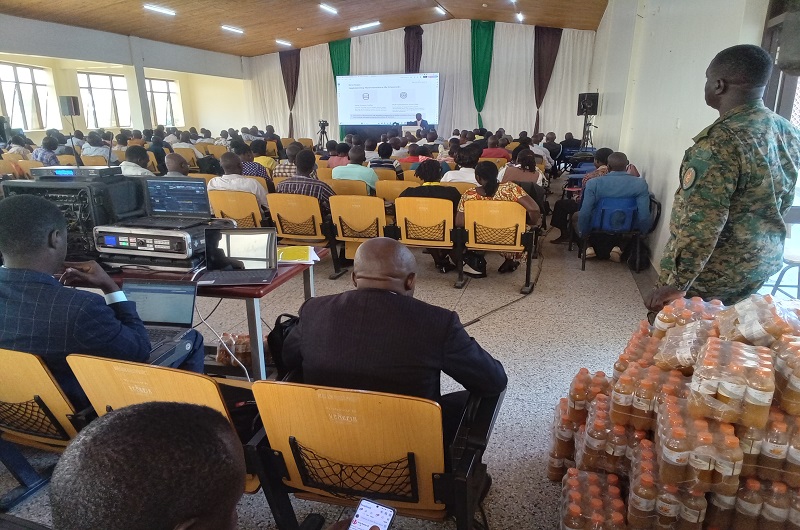
The different stakeholders during the townhall meeting on Musevenomics at Muni University on Tuesday. Photo Credit; Andrew Cohen Amvesi
ARUA CITY – Stakeholders in the West Nile sub-region have embraced the Musevenomics philosophy, asserting that faithfully implementing it will help lift the region out of persistent poverty.
Local leaders expressed this confidence during the official launch of the Musevenomics concept at Muni University on Tuesday, February 24, 2026.
At the event, Dr Edward Katende, the Executive Director of the Uganda Development Forum, explained that Musevenomics embodies President Museveni’s philosophy on growing Uganda’s economy.
He described it as a formula developed by Ugandan economists to address the longstanding barriers to the country’s development.
“The formula is what economists in Uganda have called Musevenomics. Museveni and Musevenomics have succeeded in the past by mobilizing ordinary citizens to take up arms against whatever they felt was not right,” Katende said.
“So, the new enemy is no longer a man with a gun; the new enemy today is poverty. He is now summoning all of us to take up arms—not guns, but hard work in our respective communities to defeat this enemy called poverty. That is why we are here today to discuss economic development.”
He urged the people of West Nile to join hands with the government in this fight against poverty in a bid to secure a brighter future for Uganda.
Arua City Mayor Sam Wadri Nyakua commended the organizers, particularly the Operation Wealth Creation (OWC) Secretariat, for introducing what he called the new phenomenon of Musevenomics.
“You are here in your individual capacities as leaders from the national level down to the grassroots. Take this message back to the people so they can escape poverty,” Nyakua urged the participants, who included OWC officials, Parish Chiefs, Parish Development Model (PDM) focal persons, and PDM SACCO group leaders from various districts in West Nile.
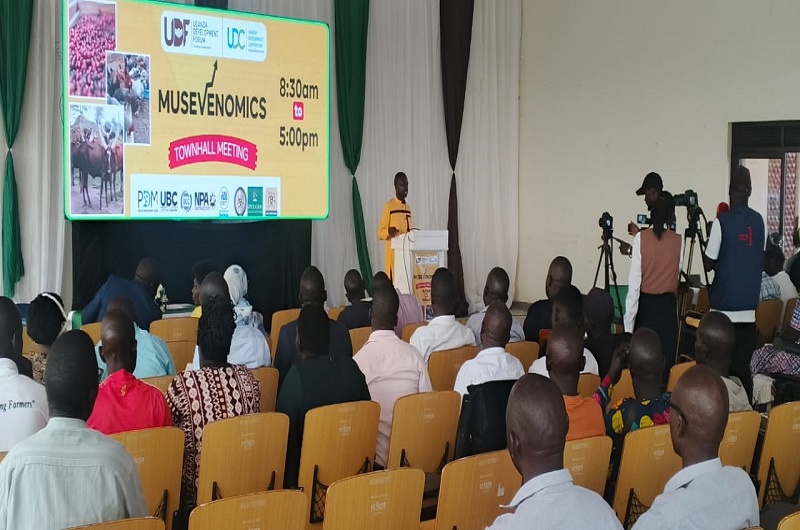
Nyakua described President Museveni as a God-given leader who should rule forever if possible.
“Unfortunately, we don’t live forever. If it were possible, this man called Museveni should have stayed forever because, since the creation of Uganda, he is the only president who has tried every means to change our people’s mindset so that they can achieve household income and engage in serious wealth creation,” Nyakua said.
He added: “You and I have largely failed President Museveni in his dream of putting money in people’s pockets. We have failed, in one way or another, to implement what he wanted leaders to do to ensure household income and a genuine shift from peasantry to proper wealth creation.”
Nyakua noted that West Nile ranks second in poverty levels after Karamoja, attributing this largely to the region’s negative mindset.
“The only place you can find youths seated along major roads is in West Nile. As soon as you cross Karuma Bridge, you won’t find those youths loitering. If you see youths loitering in Karuma, Bweyale, or Kigumba, know they are from West Nile. Otherwise, the youths from Western Uganda you meet on the roads are either carrying bunches of matooke or, even the poorest, transporting them on bicycles,” he stated.
He emphasized that the stakeholders at the town hall meeting on Musevenomics are the ones best positioned to positively change the mindset of locals and align them with President Museveni’s vision.
Former Minister of Gender, Labour and Social Development, Zoe Bakoko Bako, thanked participants for attending the day-long training on PDM, OWC, and Musevenomics.
“When I returned from Gulu, I started talking to many of you about Musevenomics, and many asked questions. Today, I can say that from now on, when people ask you about Musevenomics based on what you have heard from the presenters, you will be able to answer confidently,” Bakoko said.
She referenced Nyakua’s remark that “poor hungry people are angry people,” urging leaders to engage communities with information on poverty alleviation so that people can earn money and escape hardship.
“That is the only way the people of West Nile can be liberated from poverty,” she said.
Speaking on behalf of the Arua Resident City Commissioner (RCC), Poly Ongom, the Assistant RCC in charge of Ayivu Division, said stakeholders should now translate the lessons from the meeting into practical action against poverty.