40% of West Nile Primary School Girls Miss School Every Month As Menstrual Health Crisis Deepens
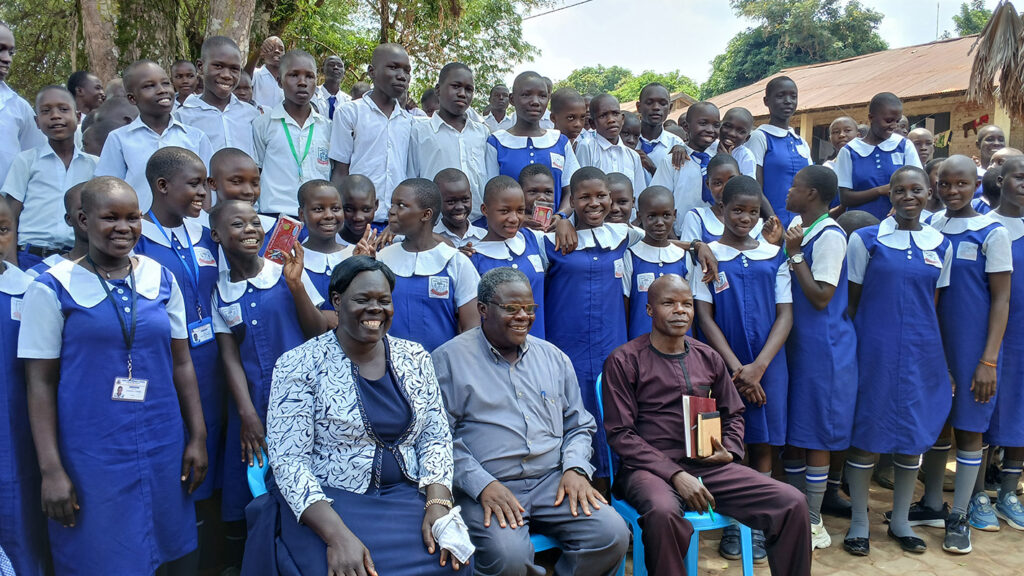
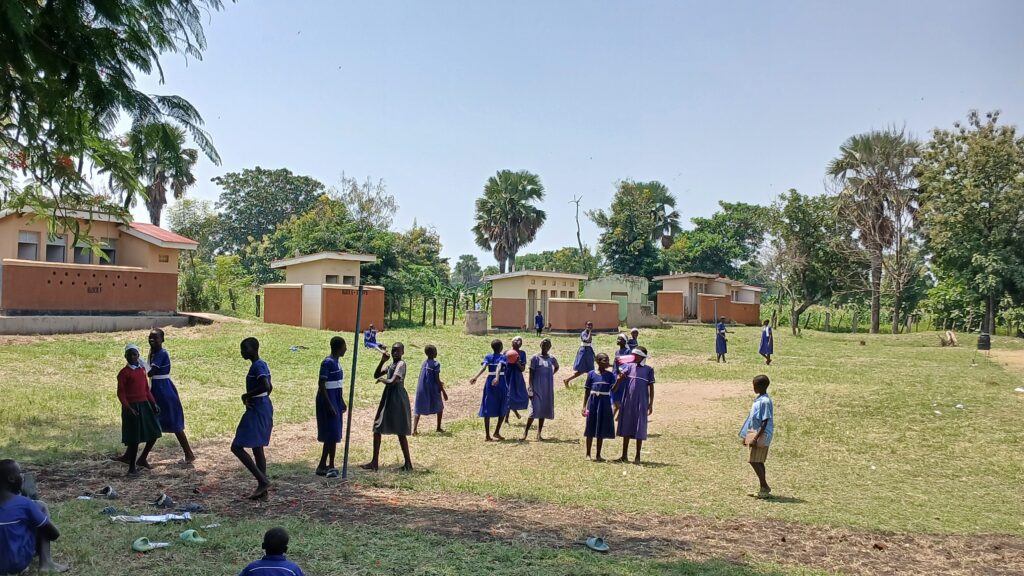
P7 Pupils of Arua Hill Primary School pose in a photo moment with City education officer, head teacher and others1
A silent but growing menstrual health crisis is denying thousands of girls across Uganda’s West Nile sub-region their right to education, with a new regional education report revealing that nearly 40 percent of primary school girls miss between three and five days of school every month because they cannot manage menstruation safely and with dignity.
The findings, gathered from Arua City and several districts across West Nile, paint a troubling picture of how period poverty, inadequate sanitation facilities, persistent stigma, and limited menstrual health education continue to undermine girls’ academic performance and school completion rates.
Education officials warn that the consequences extend far beyond monthly absenteeism. Girls are increasingly falling behind in class, losing confidence, and ultimately dropping out before completing primary education.
The report estimates that the primary school completion rate for girls across parts of the region remains between 35 and 38 percent, with menstrual health challenges identified as one of the major contributing factors. The problem affects learners in both host communities and refugee settlements, as well as those living in urban and rural areas, demonstrating that menstrual health remains a widespread educational and public health concern.
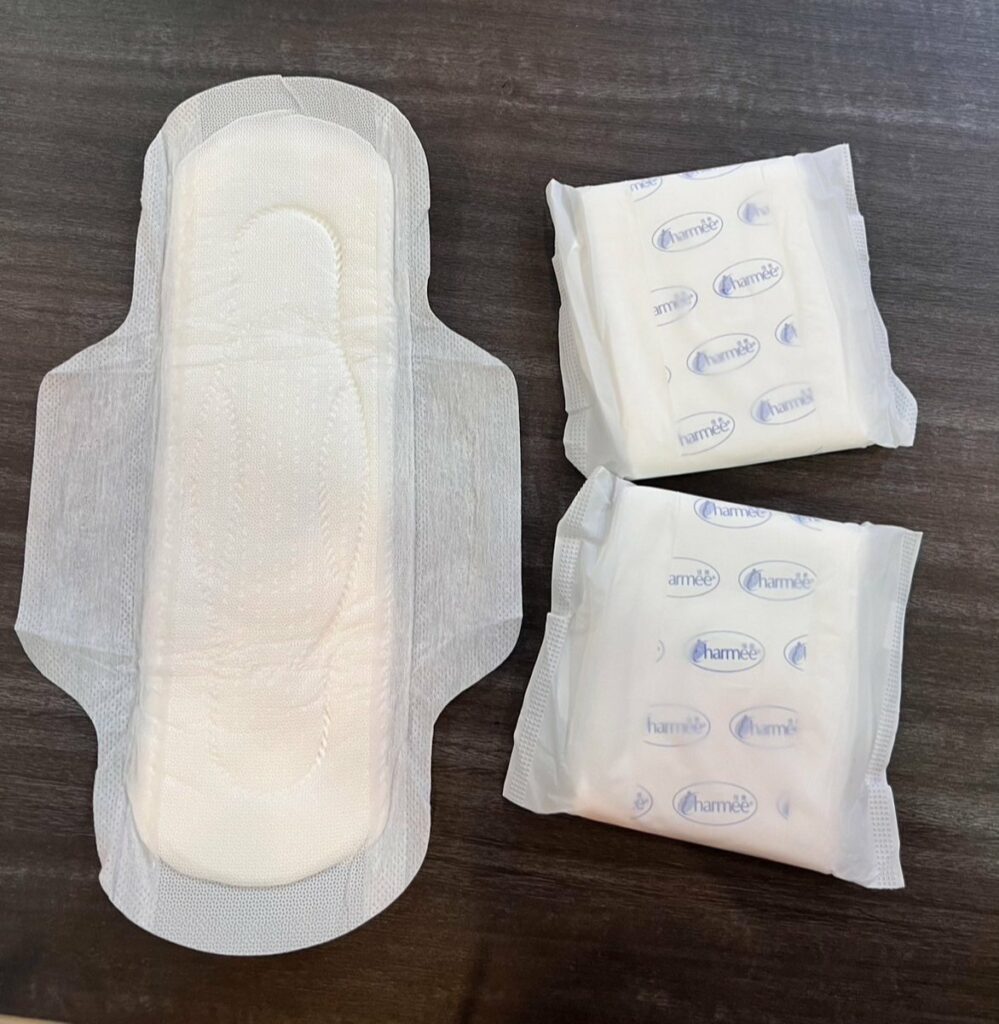
National statistics further highlight the magnitude of the challenge. Across Uganda, approximately 28 percent of school-going girls miss classes because of menstruation-related difficulties. Additionally, a recent Auditor General’s Value for Money Audit found that as many as 64 percent of female learners experience regular absenteeism due to a combination of inadequate menstrual products and poor water, sanitation and hygiene (WASH) facilities in schools.
On average, girls lose between one and three school days every month because of menstruation, amounting to between eight and twenty-four learning days annually. This represents nearly one-fifth of a school year’s learning time for many girls, significantly affecting academic performance and increasing the likelihood of school dropout.
The Arua City Education Officer, Raymond Ombere, described the situation as alarming, particularly in rural schools where girls often lack access to menstrual hygiene facilities and accurate reproductive health information.
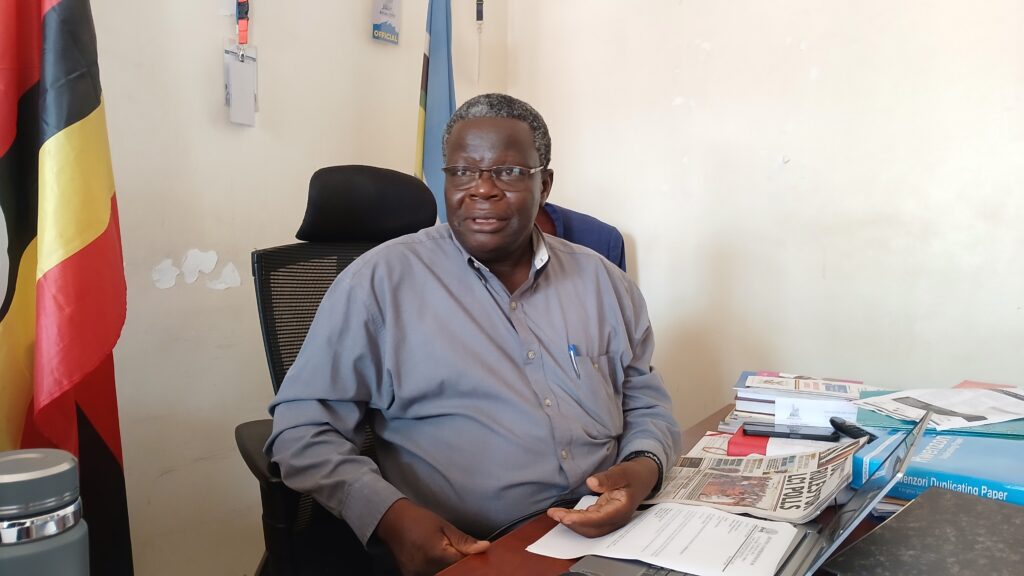
According to Ombere, education authorities continue to receive numerous complaints related to menstrual stigma, with many girls staying away from school during their menstrual periods because they fear embarrassment or discrimination.
He noted that the continued absenteeism contributes directly to the low completion rate among girls and called for stronger collaboration between education authorities, health institutions, development partners and communities to address the challenge comprehensively.
In Moyo District, education officials report encouraging progress despite the ongoing challenges.
District Education Officer Mali Michael revealed that the district’s primary school completion rate for girls increased from 28.1 percent in 2022 to 41.8 percent during the 2024/2025 academic year.
He attributed part of the improvement to increased awareness and support programmes but emphasized that much more investment is needed in menstrual hygiene management, school health clubs, teacher capacity building, and the provision of sanitary materials if the gains are to be sustained.
For many girls, however, the reality remains difficult.
Learners interviewed during the assessment described menstruation as one of the biggest obstacles to their education.
Many explained that they are forced to stay home because they cannot afford sanitary pads, while schools often lack private changing rooms, clean water, disposal facilities, washing areas and counselling services that would enable them to manage their periods comfortably.
They also cited widespread cultural misconceptions surrounding menstruation, saying the stigma leaves many girls feeling ashamed, isolated and unsupported.
One 15-year-old refugee girl from Palorinya Refugee Settlement in Obongi District, whose identity has been withheld because she is a minor, said she remains afraid to inform teachers whenever she begins her menstrual period because classmates often mock girls experiencing menstruation.
Unable to afford sanitary pads, she stays home for approximately five days every month, missing valuable classroom instruction and assessments.
The girls are now appealing for affordable sanitary products, comprehensive menstrual health education, improved sanitation facilities and stronger psychosocial support systems within schools to help them remain in class throughout the academic year.
Health professionals acknowledge that the problem extends beyond access to sanitary pads.
Charles Angupi, Health In-Charge at Lefori Health Centre III, said health workers have intensified adolescent-friendly outreach programmes, including training girls to produce reusable sanitary pads.
However, he noted that health facilities continue to face significant challenges, including inadequate resources, limited youth-friendly spaces, shortages of educational materials and insufficient peer educators.
He called for investment in adolescent health centres, expanded counselling services delivered in local languages and stronger partnerships between schools and health facilities.
Dr. Michael Adrawa, Assistant District Health Officer responsible for Maternal and Child Health in Moyo District, emphasized that sustainable solutions require a comprehensive menstrual health package rather than relying solely on distributing sanitary pads.
He recommended expanding menstrual hygiene education to every primary school, increasing parental involvement and conducting research to measure the long-term impact of menstrual health interventions on learners’ educational outcomes.
Community leaders and women’s organizations are equally calling for urgent action.
Miss West Nile 2024/2025, Alobo Janet Patricia, continues to champion the annual “Pad a Girl Run” initiative, which provides menstrual hygiene support to vulnerable girls across the region.

She urged communities to abandon harmful cultural beliefs that associate menstruation with readiness for marriage, arguing that such misconceptions expose girls to early marriages and deny them educational opportunities.
Development organizations working with women and girls say access to menstrual health materials remains extremely limited in many rural communities.
Maneno Mercy, Programmes Officer at Mentoring and Empowerment Program for Young Women (MEMPROW), said empowering girls to manufacture reusable sanitary pads locally would improve menstrual hygiene management while reducing stigma and long-term costs for vulnerable families.

Meanwhile, Mercy Ocotoko, Executive Director of Women Effort for Inclusive Development (WEID), raised concern over reports of abuse and humiliation experienced by girls within schools.
She revealed that some learners have been publicly shamed by teachers after menstrual accidents, while others have experienced inappropriate physical contact, incidents that discourage girls from attending school.
According to Ocotoko, organizations working to protect children’s rights continue to intervene whenever such cases are reported and have called for stronger enforcement of child protection policies within educational institutions.
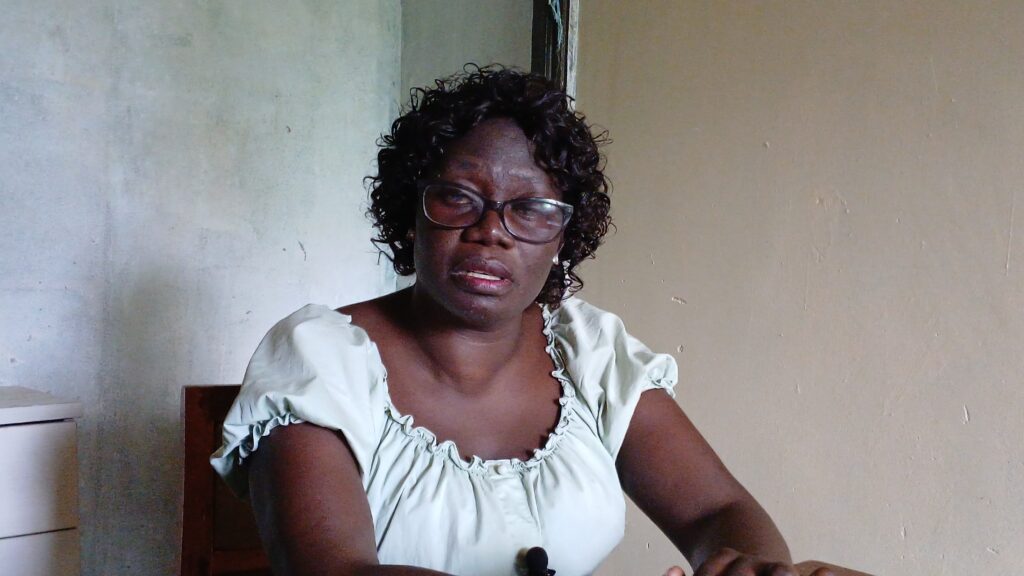
Former Arua City Central Division Member of Parliament, Hon. Atima Lee Jackson, appealed to government agencies, local leaders, civil society organizations, religious institutions, the private sector and development partners to prioritize menstrual health as a national education and public health issue.
He stressed that investing in menstrual hygiene support is ultimately an investment in Uganda’s future workforce, gender equality and national development.
As Uganda continues implementing policies aimed at improving education outcomes for girls, stakeholders warn that meaningful progress will remain elusive unless menstrual health becomes a national priority.
The growing evidence from West Nile demonstrates that period poverty is no longer simply a health concern—it is an education crisis, a gender equality challenge and a social justice issue requiring coordinated action from the Ministry of Education and Sports, the Ministry of Health, local governments, development partners, women’s rights organizations, humanitarian agencies, school administrators, parents and communities.
Without decisive intervention, thousands of girls across West Nile will continue losing valuable learning opportunities every month, placing their education, future employment prospects and overall well-being at risk simply because of a natural biological process that should never prevent a child from accessing education.