Ministry of Energy, UNBS Conduct Fuel Consumer Awareness Campaign in West Nile
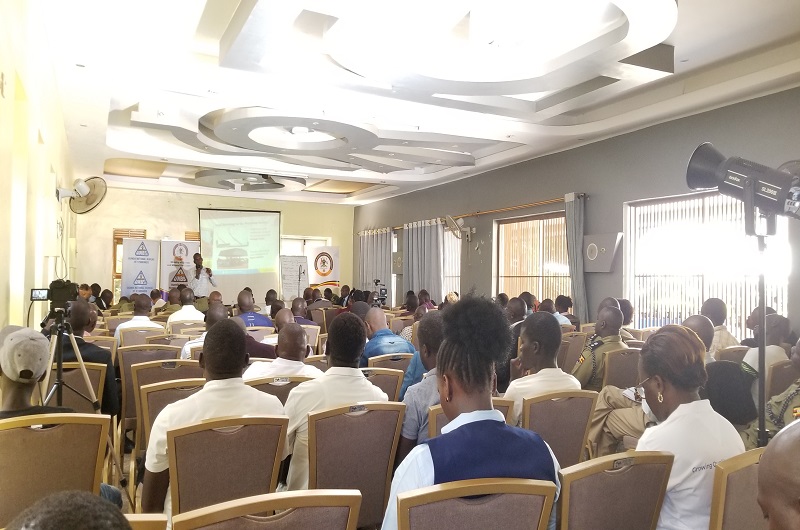
The different stakeholders in West Nile attending the workshop on Thursday
ARUA – The Ministry of Energy and Mineral Development, in partnership with the Uganda National Bureau of Standards (UNBS), last week conducted a successful fuel consumer awareness campaign in the West Nile sub-region.
The week-long campaign, which ran from November 24 to 27, 2025, culminated in a half-day stakeholders’ workshop focusing on fuel quality and quantity issues at retail stations, in line with relevant Uganda standards.
Throughout the week, officials from the Ministry and UNBS engaged the public, local leaders, and other stakeholders on fuel marketing, quality monitoring, and field verification processes at petrol stations across the region.
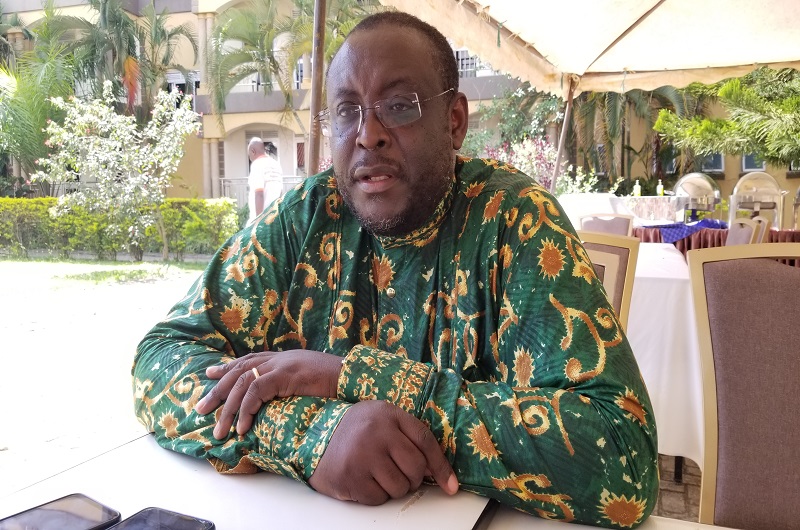
Speaking at the workshop held at Desert Breeze Hotel, Rev. Frank Justaf Tukwasibwe, Commissioner of Petroleum Supply at the Ministry of Energy and Mineral Development, said the campaign aimed to educate the public on how the fuel industry is regulated.
“We believe it is important for people to understand the regulations so that when enforcement is carried out, no one feels targeted or believes the government is insensitive. At least they will know the requirements and expectations,” Tukwasibwe said.
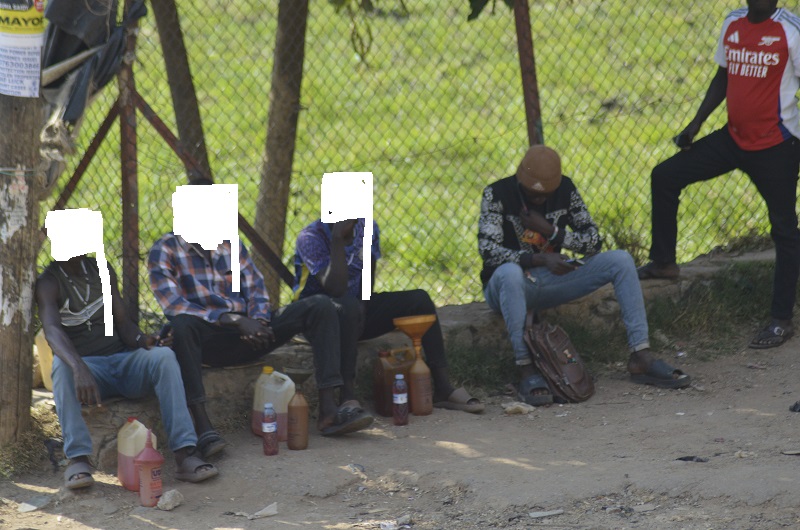
He highlighted the sale of fuel in bottles and small containers outside gazetted petrol stations as a major concern in West Nile.
“Selling fuel in jerrycans or bottles outside licensed retail outlets is a dangerous practice. It poses serious safety risks, and the quality and source of such fuel cannot be guaranteed. This can lead to accidents,” he warned.
Tukwasibwe stressed the need for collaboration among stakeholders including central and local governments to effectively regulate the sector and eliminate such malpractices.
Robert Anguzu, the Terego District Physical Planner, described illegal fuel dealers in the region as highly organized despite operating informally.
He urged the Ministry to deploy representatives to engage directly with these dealers to better understand their operations and find lasting solutions.
Anguzu noted that West Nile shares a 149-kilometre border with DR Congo and South Sudan, with six official border posts.
“The region loses an estimated Shs3 billion daily due to illegal fuel trade. Instead of confronting these operators, can’t the Uganda Revenue Authority (URA) explore better strategies? These dealers plan just as we do. We need to involve them in discussions to control this vice effectively,” he proposed.
Josephine Teddy Oyagiu, URA Supervisor for West Nile, confirmed the porous nature of the 149-kilometre borderline, with approximately 83 unguarded entry points.
“With only 35 staff deployed across the vast region from Moyo to Pakwach, we cannot control all border points alone,” she said.
Oyagiu revealed that URA sometimes engages informally with smugglers, who claim to have backing from some community leaders.
“The fuel sold on the streets does not originate in jerrycans. It comes from licensed filling stations. During the night, it’s in the stations but during the day, it’s on the streets,” she disclosed.
She added that URA enforcement teams often face violent attacks when cracking down on illegal dealers.
“Whenever such incidents occur, people are quick to accuse URA of inaction. But this fight requires collective effort. We are at the forefront, but we need full support from community leaders and all stakeholders,” Oyagiu appealed.
Meanwhile, Daniel Nangalama, UNBS Executive Director, said the campaign included intensive radio talks and field engagements since the previous Monday.
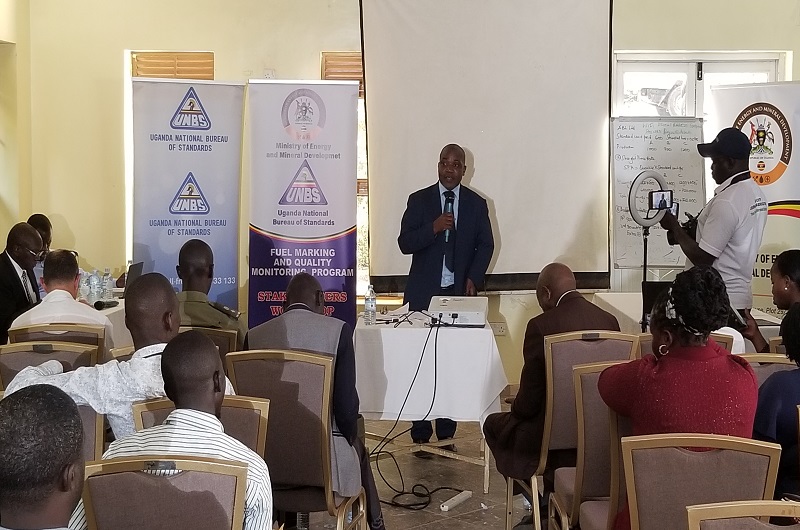
“We believe awareness is key to promoting standards. Changing mindsets can achieve a lot. From the discussions we’ve had, it’s clear that fostering a culture of quality and compliance is essential to combating these vices,” Nangalama said.
He called for a strategic shift and renewed collective action to address the persistent issue of fuel.
This is happening everywhere even in Kampala. Most of the fuel on the streets sold in jerricans come from what remained in the tanks that could not be drained out at offloading points. These young men have what it takes to draw it out and sometimes they are lucky to get atleast 30-40Ltrs from just a tanker. Its not illegal to make money off someone else’s left overs. Its called survival.