Gov’t Technically Commissions New Water Systems and Sanitation Facilities in West Nile
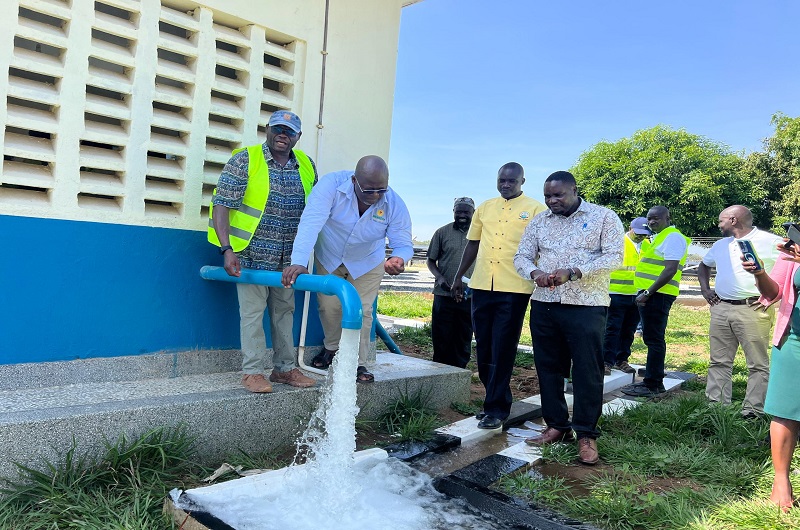
Officials join Eng. Matua (L) in commissioning one of the water facilities in Lobule Sub-County, Koboko district last week.
WEST NILE — The Government of Uganda, through the Ministry of Water and Environment, has technically commissioned modern water supply systems and sanitation facilities across the West Nile sub-region.
Valued at over Shs15 billion, the facilities were constructed under Water and Sanitation Development Facility Phase Four (WSDF-IV) and officially handed over last week in the districts of Adjumani, Moyo, Koboko, and Madi-Okollo.
The initiative addresses the long-standing water crisis in Northern Uganda. These multi-billion-shilling projects are aimed at improving access to safe drinking water and enhanced hygiene services, particularly in refugee-hosting areas.
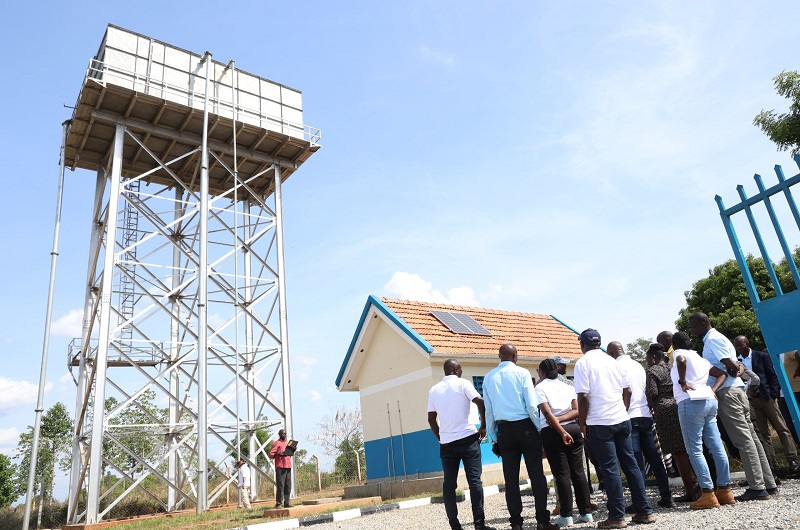
The developments form part of broader efforts to extend clean piped water to both refugee settlements and surrounding host communities across Northern Uganda.
Local residents say the projects will save time previously spent fetching water, improve overall sanitation, and ease shortages during the dry season.
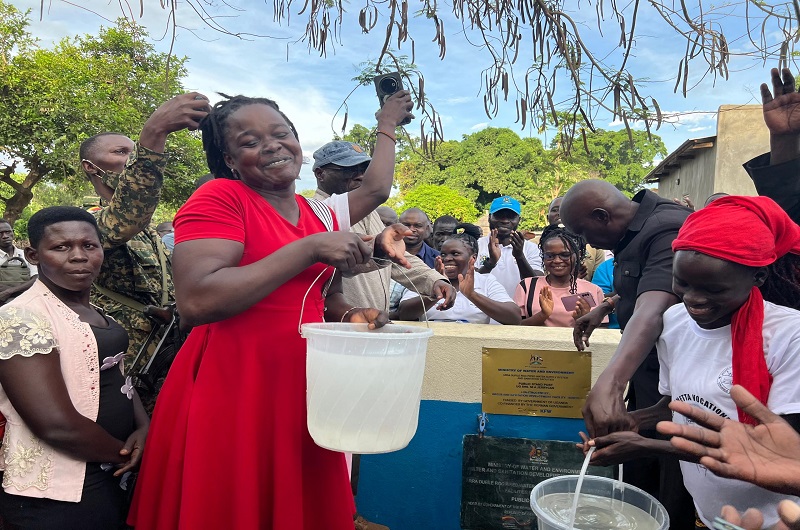
“We are very happy with this water project. If you want the tap at your doorstep or in your kitchen, they install it exactly as you prefer and that is why I’m so excited about what the Ministry of Water and Environment has brought to us,” said Faiza Dawa, a resident of Lobule Sub-County in Koboko District.
At St. John Dufile Primary School in Dufile Sub-County, Moyo District, the Senior Woman Teacher, Beatrice Ajita explained that poor sanitation facilities had disproportionately affected girls, with some missing classes due to a lack of privacy and hygiene.
She said the problem worsened when older toilet structures collapsed.
“Now that modern toilet facilities have been built, I’m confident these challenges will soon end, and more girls will stay in school. I want to thank the Ministry and its partners for coming to our rescue here in Moyo,” Ajita said.
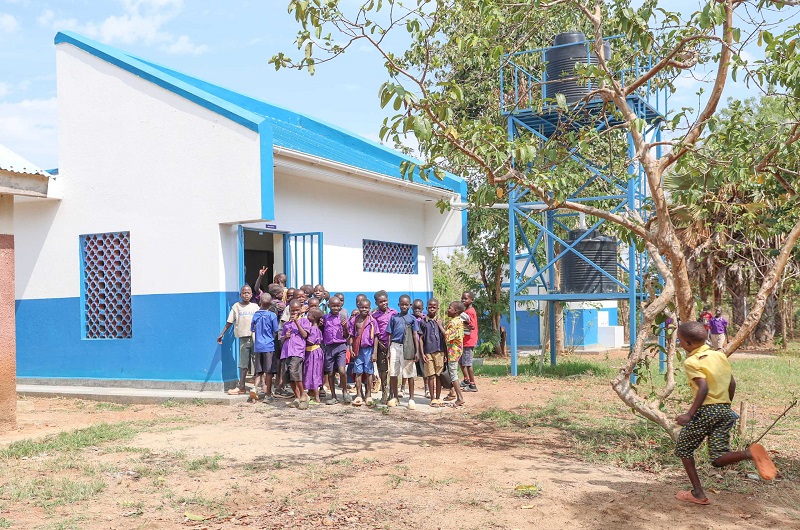
A similar situation existed at Boroli Primary School in Pakele Sub-County, Adjumani District, where pupils from both refugee settlements and host communities learn together.
For years, the school’s growing enrolment placed severe strain on the limited sanitation infrastructure. Head teacher Stephen Nyuma noted that long queues for the few available latrines disrupted learning.
He added that the new facilities will reduce waiting times, boost daily attendance, and ultimately improve overall school performance.
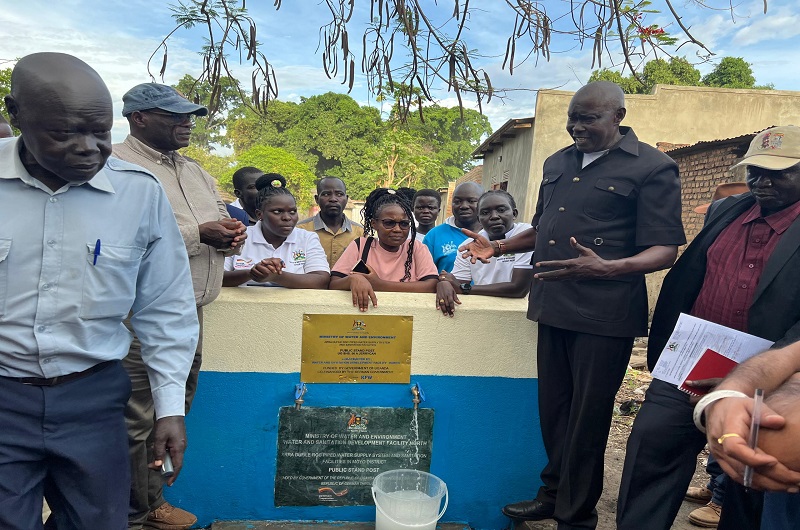
During the final inspection and technical handover, Eng. Richard Matua, Assistant Commissioner for Urban Water at the Ministry of Water and Environment, reaffirmed the government’s commitment to expanding safe water coverage to enhance livelihoods and drive socio-economic development.
“The quality of water directly from the River Nile is often poor, so these projects will help reduce waterborne diseases. We have urged local leaders to continue sensitizing communities so that more households can connect to the piped water system,” Matua said.
“We want these systems to expand so that more villages can be connected. Through the European Union-funded EU Wash program, we are constructing additional sanitation facilities in schools, and we will promote these best practices until every school in the region is covered,” he added.
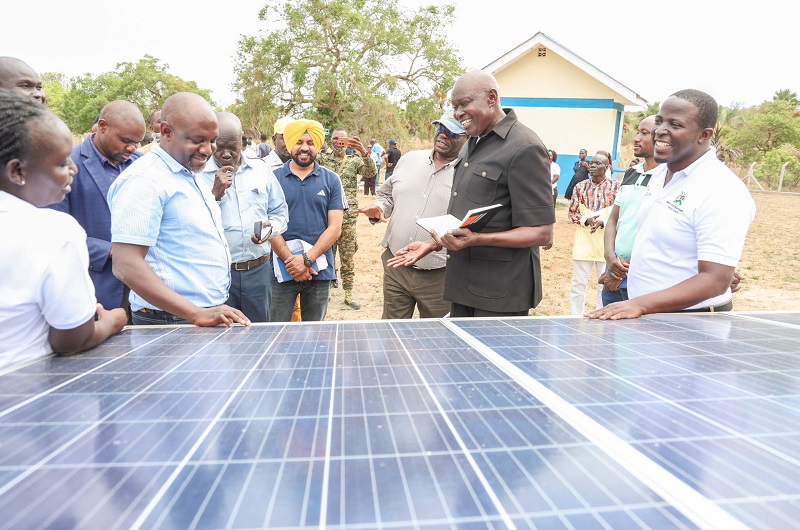
Koboko District Chairperson Ashraf Mambu said the project will lower household costs related to treating waterborne illnesses.
He expressed optimism that the modern toilet blocks in schools—serving both refugees and host communities will significantly increase overall latrine coverage in the district.
The water systems have been handed over to the Northern Umbrella of Water and Sanitation for operation and maintenance.
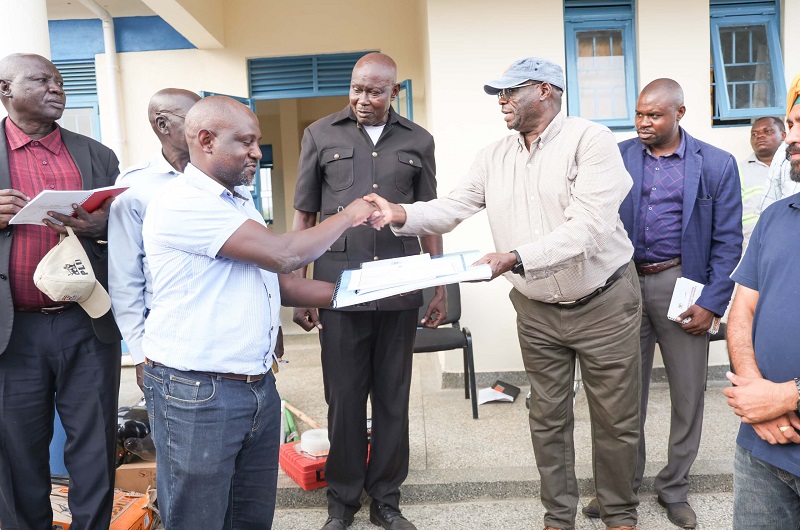
To ensure long-term sustainability, users will pay a modest fee of Shs40 per jerrycan at household connections and Shs50 at public standpipes.