Madi Okollo Farmers Demand Action as Ajai Reserve Restocks
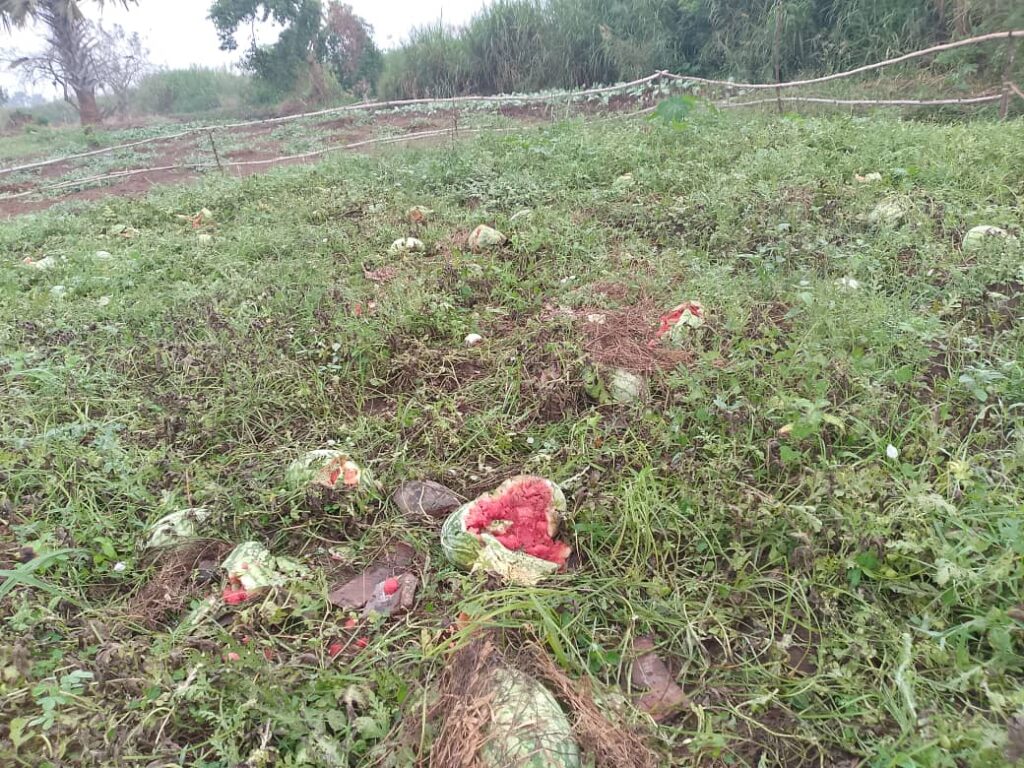
Field of Water melone destroyed by hipopotamus in Tanzania B cell AWUVU WARD IN Rhinocamp town council lMadi Okollo District
MADI OKOLLO:In the fertile but fragile farmlands of Ogoko and Rhino Camp sub-counties in Madi Okollo District, West Nile, a silent war is being fought every night. Farmers who grow maize, beans, simsim, cassava, rice and vegetables while raising goats, cattle and sheep are watching their hard-earned harvests vanish under the feet and teeth of wildlife spilling out of the neighboring Ajai Wildlife Reserve.
For Mike Amandu of Tanzania B Cell in Awuvu Ward, the nightmare returned in July 2025. After more than 15 quiet years, hippos from the River Nile began raiding his rice fields night after night until nothing remained. Tomatoes, watermelons and cabbage are now equally at risk. Noise-making, scarecrows and traditional methods have all failed. “These animals are relentless,” the former policeman and lifelong farmer says. What was once a reliable source of food and income has become a source of despair.
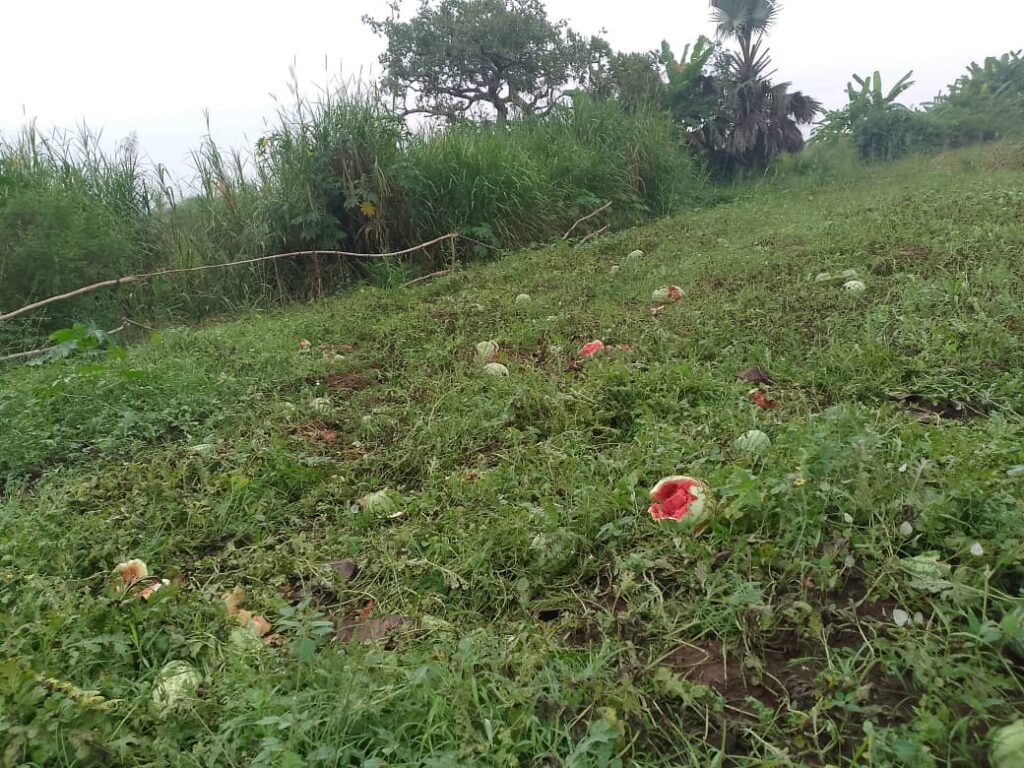
A few miles away in Degia Village, Filda Bako faces a different but equally exhausting enemy: clever monkeys that test scarecrows by shaking them and wait until she leaves. As a woman balancing farming with household duties, she spends entire days guarding her maize, beans, simsim and tomatoes. By evening she is too drained to cook or care for her family. “Sometimes I just watch helplessly as my crops are eaten,” she admits.
These personal losses form part of a much larger crisis. The Uganda Wildlife Authority has already transferred hundreds of animals into Ajai 480 Uganda kob, 44 zebras, 20 buffaloes, giraffes and four southern white rhinos, with plans for more. Local Council Five Chairperson Ismail Drabe welcomes the tourism potential but warns that baboons are destroying cassava, millet and bananas. Communities now patrol at dawn and set traps. His urgent appeal is clear: accelerate construction of a protective fence so animals that cannot jump stay inside the reserve, and consider relocating the most aggressive species. “Our biggest appeal to UWA is to fasten the process of constructing the fence,” he says, while still urging residents not to harm the animals that form the backbone of future tourism.
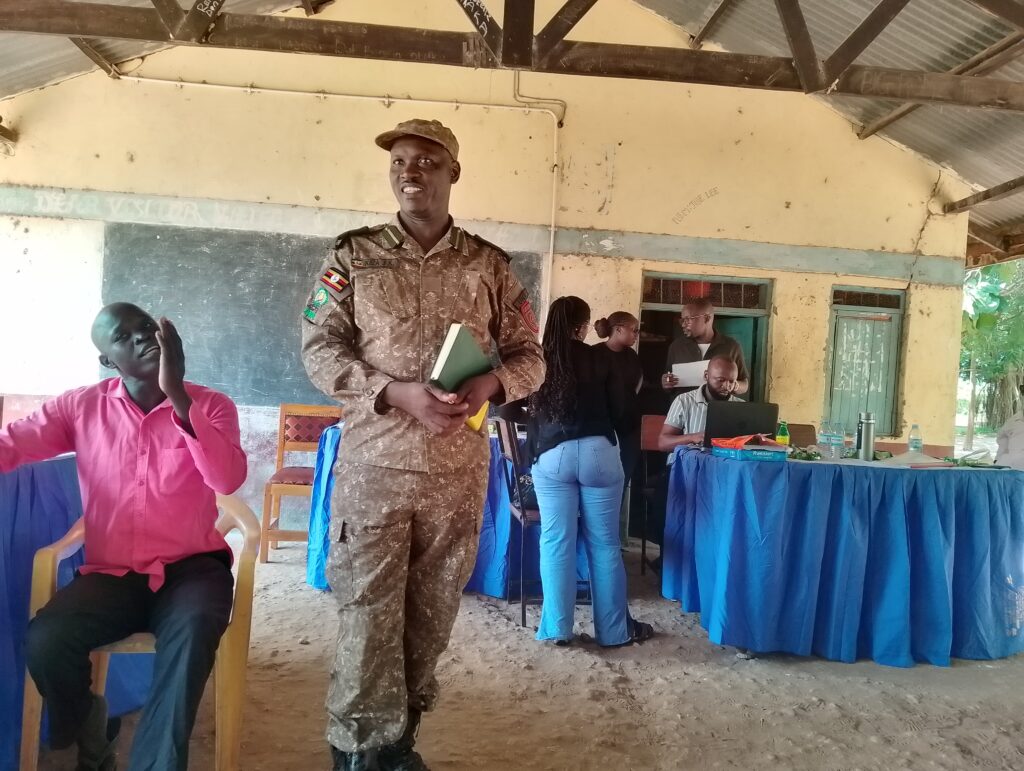
Willson Katamigwa, Warden of Ajai Game Reserve, acknowledges the damage. Under the 2022 Compensation Act, losses from animals such as hippos can now be claimed provided reports are filed within 72 hours. An electric fence is already partially in place and further fencing is planned. He calls on communities to cooperate and refrain from poaching.
Agronomist Dan Acema of Abi Zonal Agricultural Research Institute is blunt: only government-installed electric fencing can contain large animals like hippos. For monkeys and baboons, creative deterrents such as painting a captured animal in unusual colours may help, but these remain costly for smallholders. Poisoning, he warns, creates far bigger problems. He also links the crisis to wider environmental decline the rapid loss of shea and balanite trees to charcoal production and notes that community-enforced rules work better than distant government decrees.
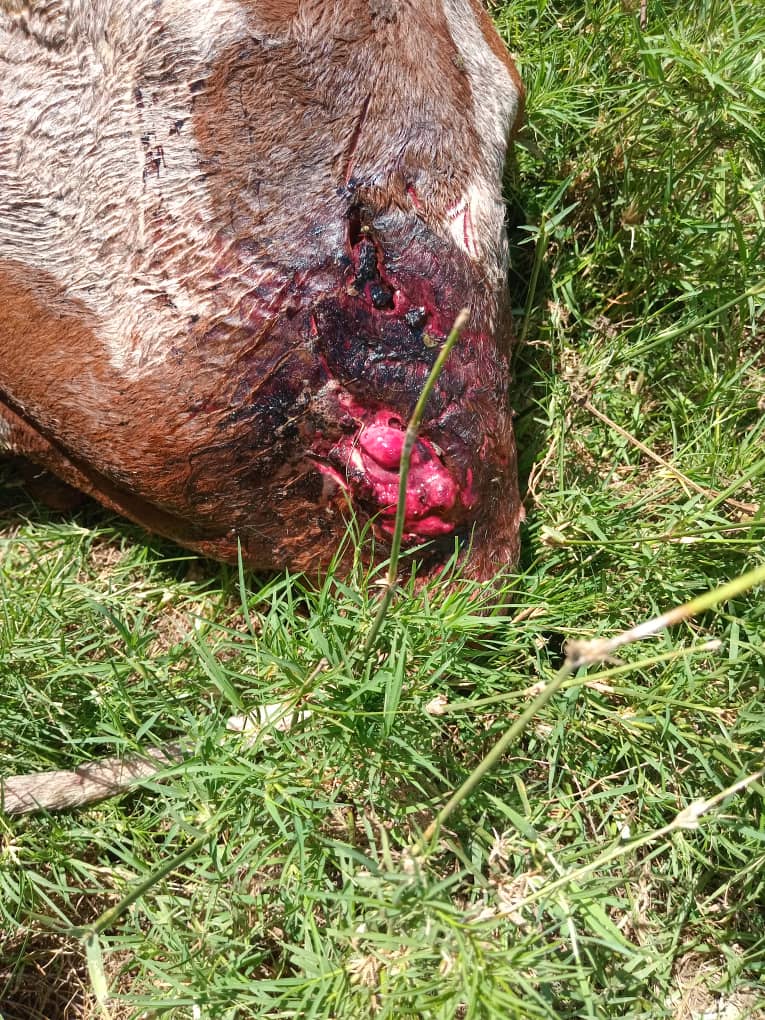
Wildlife conflict is only one pressure. Erratic rainfall, poor soils, climate change and unstable markets have already pushed Madi Okollo’s food security into the “stressed” category, with the risk of sliding into crisis. Farmers need improved seeds, irrigation, training and, above all, effective protection for the crops they plant.
The question facing government, the Uganda Wildlife Authority, NGOs and the communities themselves is no longer whether Ajai should be conserved. It is whether conservation can succeed when the people living beside the reserve cannot grow enough food to feed their families. In the gardens of Madi Okollo, that question is being answered every night and the answer will determine whether wildlife revival becomes a shared success story or a deepening humanitarian burden.