81% Fail: Madi West Nile P7 Mock Results Raise Alarm Over West Nile’s Education Crisis
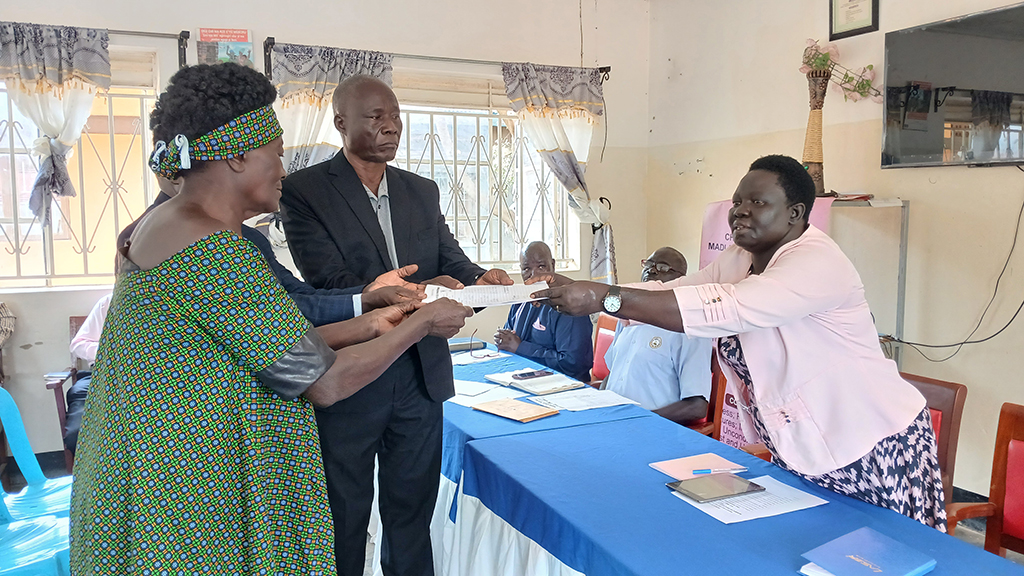
Official Release of the Madi West Nile Diocese 2026 Mock Result by the Arua City senior Inspector of Schools, Zilly BuuzaPhoto Credit Benzamin Matata
More than eight in every ten candidates who sat the 2026 Madi West Nile Diocese Primary Seven mock examinations have failed, raising fresh concerns about the quality of learning ahead of this year’s Primary Leaving Examinations (PLE).
The results, released on Friday, show that only 19.1 percent of the 6,081 candidates from 139 primary schools across the diocese passed the examinations, while 4,914 learners (80.9%) failed.
Only 74 candidates scored Division One, 514 obtained Division Two, and 579 were placed in Division Three, with the rest falling below the pass mark.
The annual diocesan mock examinations are conducted to assess learners’ preparedness for the national PLE and help schools identify areas that need improvement before the final examinations.
The performance marks a sharp decline from last year. In 2025, 5,166 candidates from 123 schools sat the examinations, recording a 72.6 percent pass rate, while only 25 percent failed.
Speaking during the release of the results, Zakari Alio, the Diocesan Education Coordinator, said the poor performance reflects long-standing learning gaps that begin in the lower primary classes. “The overall quality of performance dropped. There are only 74 pupils who have passed in Division One this year out of 6,081 learners. Very poor performance in P.4 reflected again in P.7. This is unfortunate,” he said.
According to Alio, many learners have not received the academic support needed from both teachers and parents, making it difficult for them to perform well by the time they reach Primary Seven.
“The purpose of these examinations was to test how much you have covered in the half year, because your coverage by this time should be 100%. However, out of the archdeaconries that participated, a number of them registered only a few schools.” Alio stressed
The Chairperson of the Madi West Nile Diocese Primary Examination Board, Benson Ajuma, described the results as disappointing, especially considering that more schools and candidates registered this year in preparation for the national examinations. “The number of candidates for this year was slightly higher than that of last year,” he stated.
Ajuma also dismissed concerns raised by some schools over the Church of Uganda foundation body, emphasizing that the examinations are open to all schools regardless of their religious affiliation. “We don’t segregate. So our exams are to improve academic achievements in schools, not on a religious issue.” Ajuma clarified.
Meanwhile, Zilly Buuza, the Senior Inspector of Schools for Arua City, linked the poor results to low literacy levels among learners in the West Nile region. “West Nile currently, we have a literacy level at 59% compared to other regions, which are ranging from 70 above,” she said.
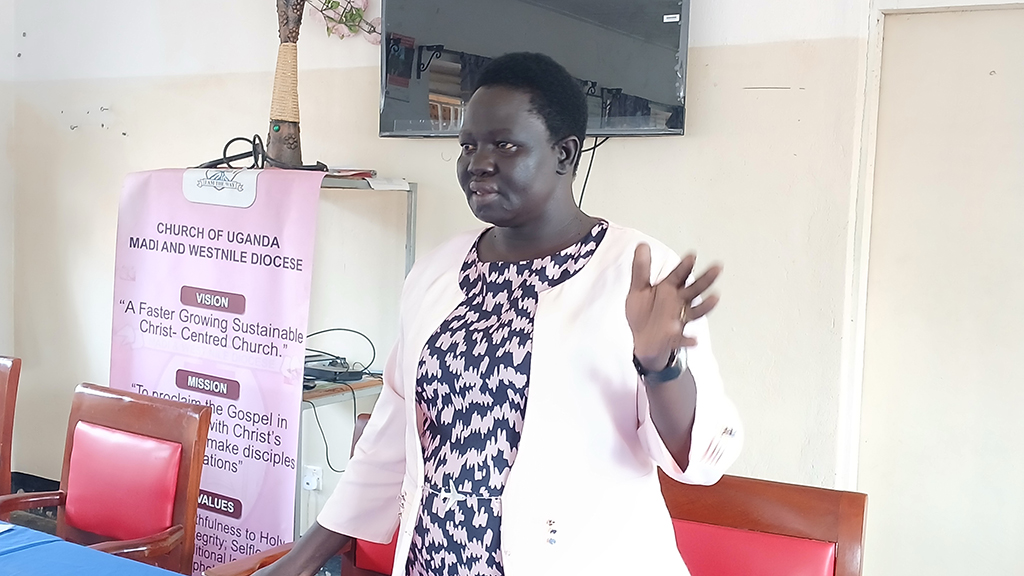
She cited findings from a baseline survey conducted by Schools2030 under the Aga Khan Foundation, which indicate that about 40 percent of learners in West Nile cannot read, while the region’s literacy level stands at only 59 percent. She said weak literacy skills continue to undermine learners’ overall academic performance and called for stronger interventions from schools, parents and education stakeholders.
“The findings revealed that 40% of learners in our schools are unable to read. Yet we have teachers in schools and have stakeholders in place. I feel belittled when I go out to schools and see what is happening, these are true observations.”
She questions, “Who stands responsible? All of us were responsible. We have a stake in answering these questions. If we have to improve the quality of education within our region.”
The Diocesan Secretary of Madi West Nile Diocese, Nasser Godfrey, said the poor performance should serve as a wake-up call for all education stakeholders. “It’s our prayer that we shall still go back to that glory.”
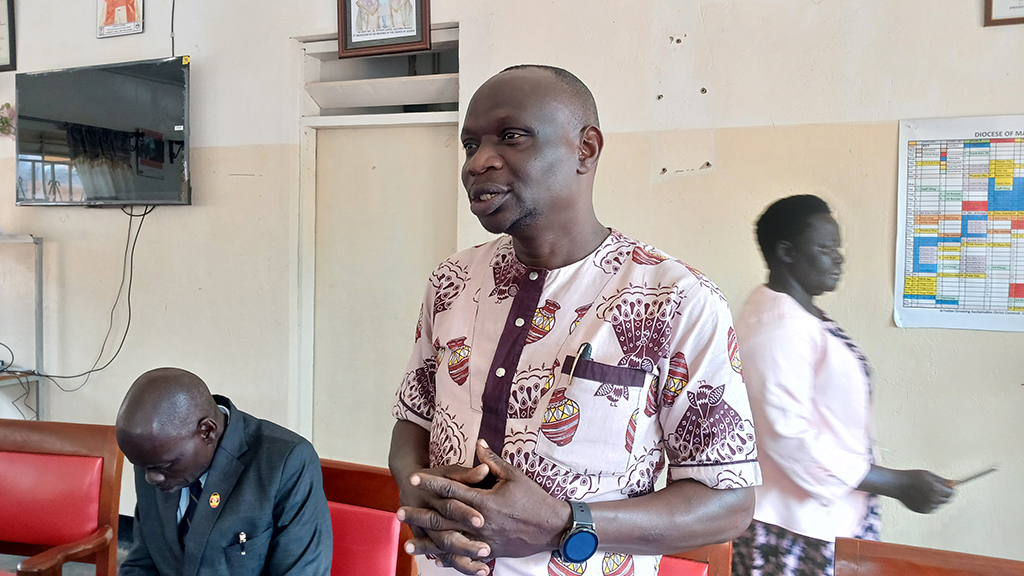
He said the Church of Uganda remains committed to strengthening education from the primary level, noting that improving foundational learning is key to producing better results in the future.
“As Church of Uganda, we want to begin building up the foundation in our primaries to see that we equip, we empower our learners so that they can be able to grow and compete at the national level.”
He added, “We want to appreciate the schools that have been able to support this exercise. Pray that the effort they have put will not go in vain.”
This year’s mock examinations attracted 16 more schools and 915 additional learners compared to last year, reflecting growing confidence in the diocesan assessment despite the disappointing overall performance.