Family, Friends Celebrate Educationist Edemaga’s Legacy
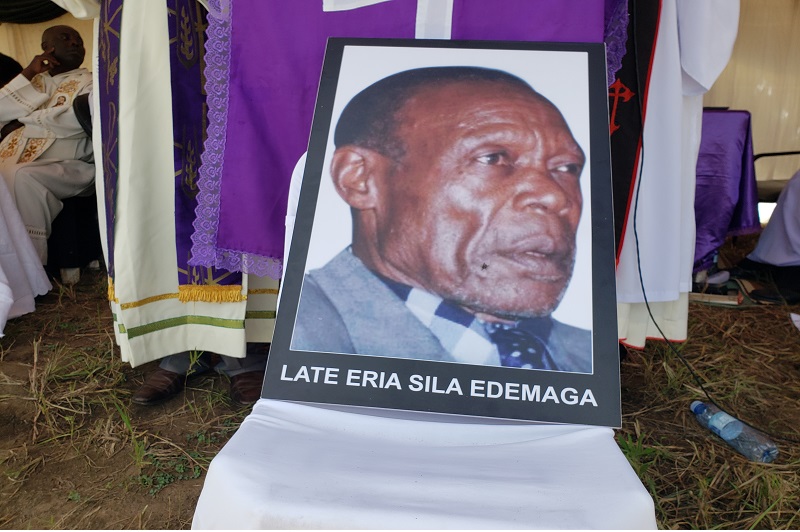
The portrait picture of the Late Eria Sila Edemaga
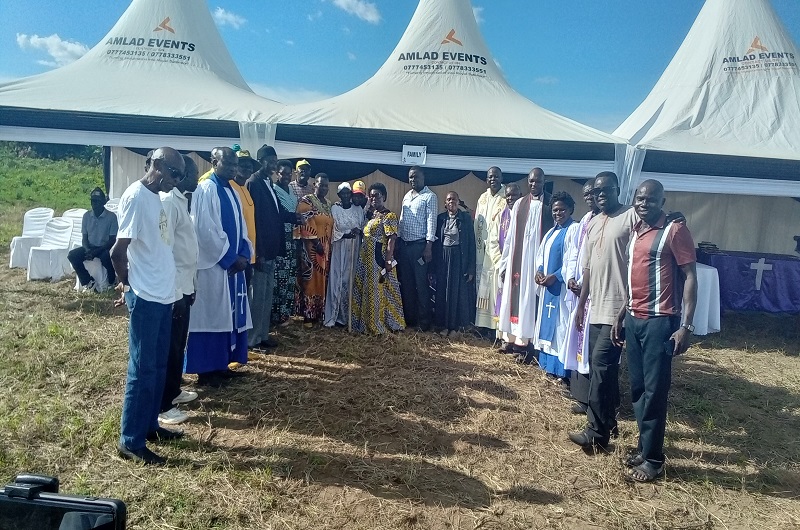
ARUA CITY – Family members of the late Eria Sila Edemaga were joined by friends and relatives on Saturday to celebrate the life and legacy of the renowned educationist.
Born in 1937, Edemaga served as a teacher and headteacher in various schools, including Otravu Primary School in present-day Maracha District, Liria Primary School in Terego District, and Muni Primary School in Arua, where he retired.
He passed away on April 11, 2003, and was buried at his ancestral home in Nyio clan, Muni, Ayivu East Division, Arua City.
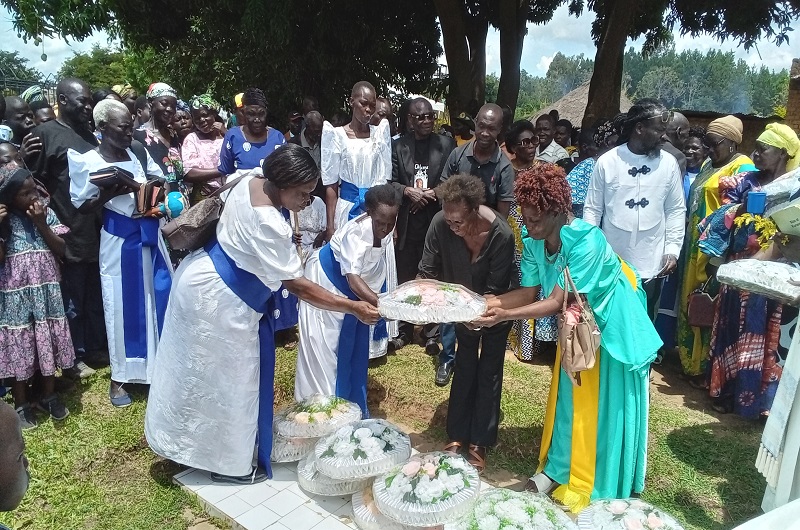
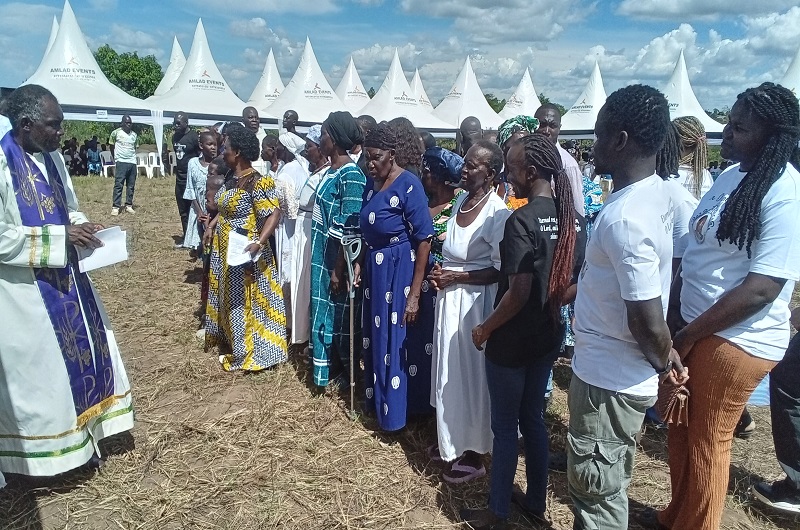
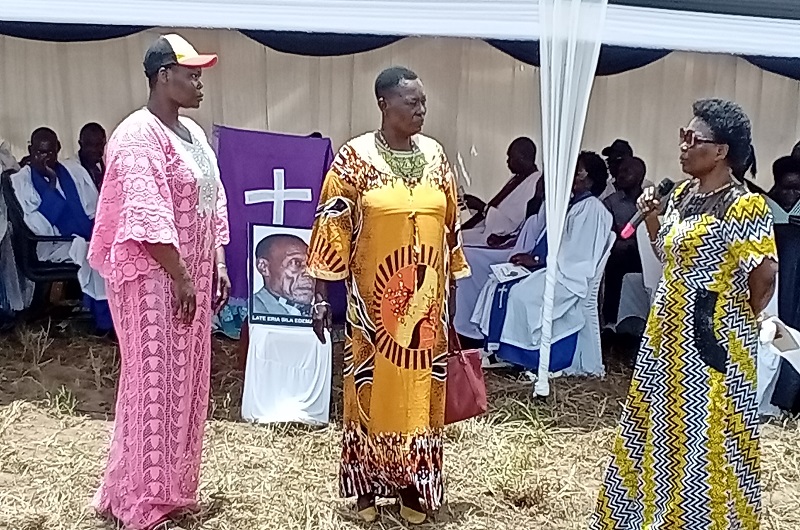
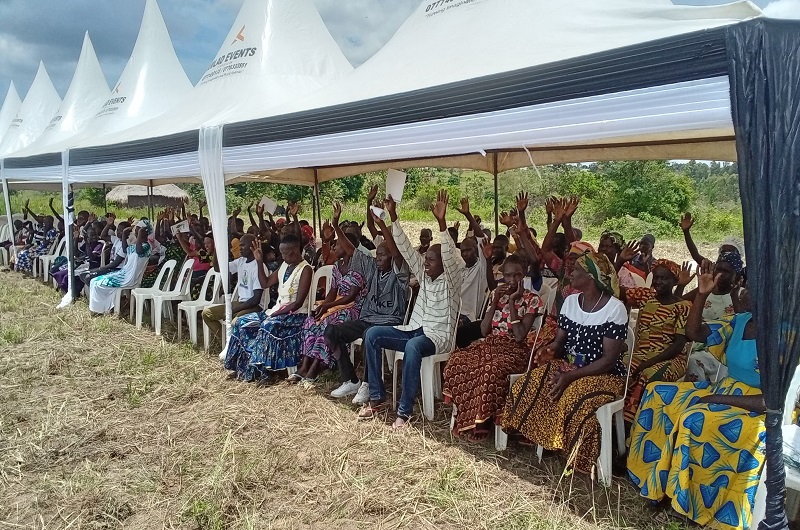
Twenty-two years after his burial, the family organized a colourful memorial function in Muni, attended by dignitaries and well-wishers.
The event began with the laying of wreaths on his grave, followed by a memorial mass in honour of his legacy.
During the function, Edemaga’s first-born daughter, Zoe Bakoko Bakoru, a former Minister of Gender, Labour and Social Development, reminded the congregation that her father was a God-fearing man who worked tirelessly to promote girl-child education.
“My father always emphasized that the education of the girl-child is very important. That is why he paid school fees for us. He was strongly opposed to exchanging his daughters for cows,” Bakoko said.
She recounted how her father’s brother would challenge him not to eat the dowry from their girls, but Edemaga insisted he would rather buy meat from a butchery if he wanted it.
Bakoko added that her father was also against the sale of family land, a stance that enabled him to secure over 100 acres of fully titled land for the family.
“He guided us not to find a spouse in a bar because when you meet someone while drunk, you may not even know where they come from, and that can lead to an unpeaceful home,” she explained.
On discipline, Bakoko noted that her father emphasized it strongly, teaching that a disciplined child would never become a thief.
“He did not tolerate stealing. He would say that if you steal, let the police arrest you and take you to jail. He was very firm on this, and as a result, we grew up fearing thieves,” she said.
Edemaga’s grandson, Emmanuel Meta Aloro, a lecturer of Law at the Law Development Centre in Uganda, expressed pride in following in his grandfather’s footsteps as an educator.
“I feel honoured and humbled to be entrusted with teaching law. We called my grandfather ‘Aye’. He never said things directly; he expected you to have a certain level of wisdom. He wanted you to understand things on your own,” Meta said.
He shared a memorable anecdote: “If you went to school and returned at lunchtime with mango droppings on your shirt, he would know you had not attended classes. He would praise you, saying, ‘You have done very well. I know you are a brilliant child and you passed everything. May I see your book?’ But he wasn’t really asking for the book — he wanted you to confess that you had gone to eat mangoes instead.”
In his homily, Retired Rev. Can. Solomon Adebo thanked the family for upholding Edemaga’s legacy and appealed to the congregation to invest in their children’s education in line with the late educationist’s dream.
Collins Gertrude Obedi, the Commissioner responsible for Resident District/City Commissioners in the West Nile region, commended Edemaga’s children for organizing the memorial.
“I want to thank this family for the love they have shown. Friends, if we are to be a true family, we must love one another,” Obedi said.
She also praised the late Edemaga for promoting education and urged parents in the region to prioritize their children’s schooling.
“Our children are dropping out midway because we are not encouraging them to understand the importance of education. If you want maids and guards, why do they always come from West Nile? It is because we are not educating our own children. I appeal to you to ensure your children complete their education.”
Obedi called on local leaders to enact education ordinances that would compel parents to send their children to school and support them to finish.
Edemaga is survived by his widow, Rose Driwaru, and 14 children, including three sets of twins. But of the 14, only three — all daughters — are still alive.