Traders count losses as UPDF blocks livestock entry into West Nile over Ebola threat
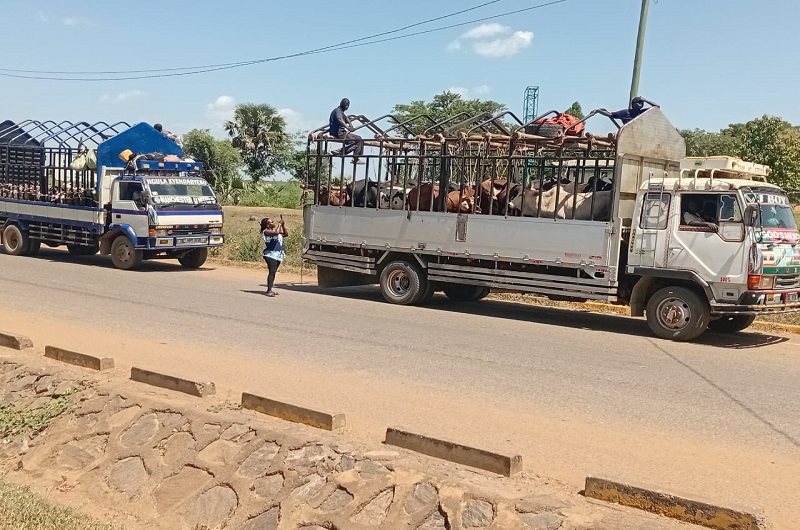
Trucks ferrying the surviving animals which which were impounded on June 3.
WEST NILE – At least 50 livestock traders from the West Nile sub-region are counting heavy losses after Uganda People’s Defence Forces (UPDF) officers in Nwoya district denied them entry with their animals citing Ebola risks.
The traders were intercepted on June 3, 2026, near Kololo Barracks checkpoint along the Pakwach-Karuma road at Got Apwoyo, about 6km from Pakwach Bridge. They were held for eight days at a nearby sub-county headquarters, during which several animals died, resulting in losses running into millions of shillings.
The animals had been purchased from Soroti, Kaberamaido, Kalaki, and Lira districts.
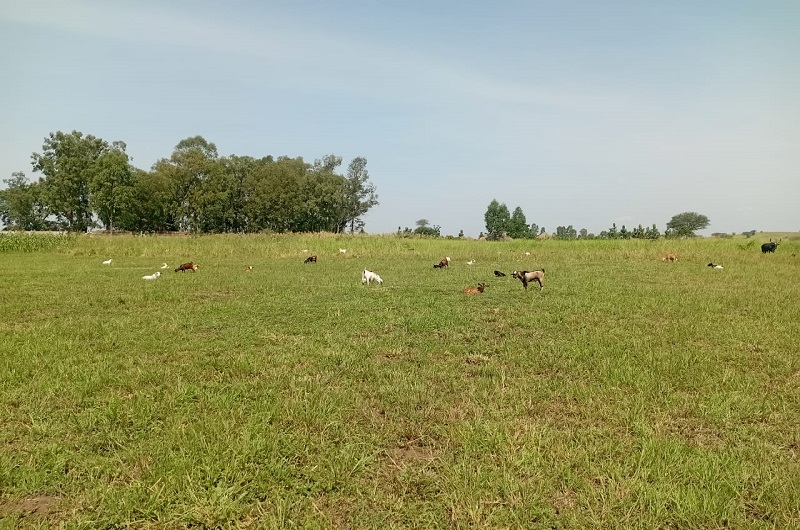
Patrick Okiror Adrabo, the chairperson of the Arua Livestock Traders Association, said UPDF officers blocked them from proceeding, claiming their movement would attract Congolese traders and spread Ebola into Uganda.
“We pleaded with the soldiers, explaining that we are Ugandans from West Nile who have depended on this business for years. We told them we sell our animals in Arua city, not across the border in DR Congo, but they refused to listen,” Adrabo narrated after their release on Thursday, June 11, 2026.
He added that the group had bought over 170 goats, more than 30 cows, and about 50 pigs. By the time they were released, 32 pigs, 7 cows, and 20 goats had died.
Adrabo said goats were bought with the expectation of selling them at between Shs250,000 and Shs500,000 each, pigs at Shs350,000 to Shs650,000, and cows at Shs2 million and above depending on their size.
“We have suffered losses we never expected. I personally lost over Shs4 million. Most of us took loans to finance this business. We don’t know how we shall recover. We never imagined our own government would treat us this way, especially since the border with DR Congo is already closed due to Ebola,” he said.
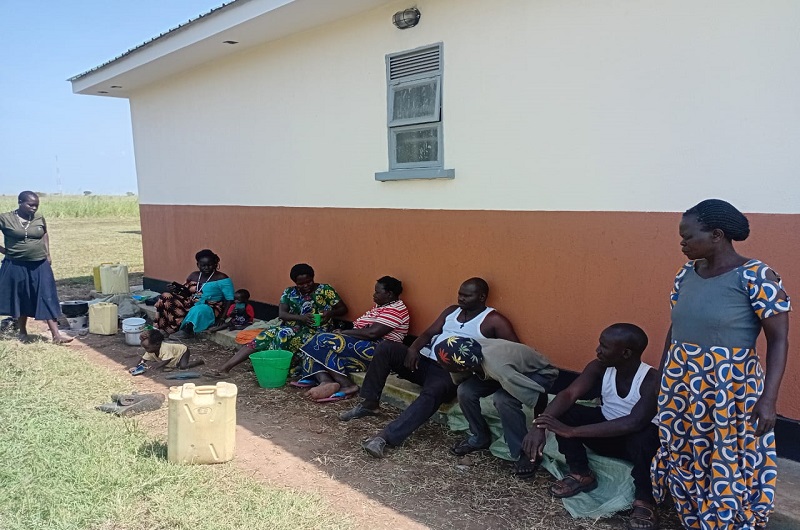
Mary Ondoru, another affected trader, said she bought 13 goats from Lira, five of which died.
“I’m calling on the government to come to our aid. The money I lost was from the Parish Development Model (PDM). I rely on this business to feed my family and pay school fees. As a single mother, I appeal for compensation,” Ondoru pleaded.
Asuntha Candiru from Oluffe Sub- County in Maracha district, who travelled with her husband, said they invested Shs10 million to buy two cows and 30 goats. Six goats died during the ordeal.
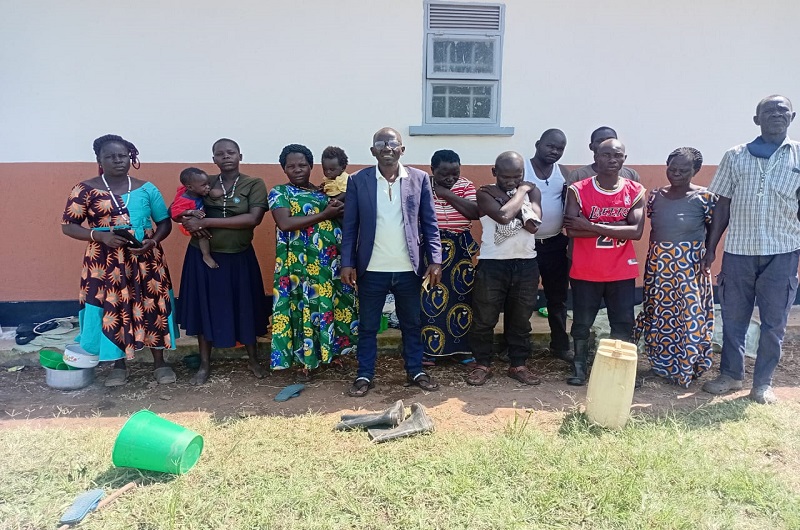
“We slept on the veranda of the Latoro Sub- County Headquarters on empty stomachs for days. We later borrowed saucepans, charcoal stoves, and maize from locals to survive. It was a terrible experience. Other traders from different parts of the country are allowed to move freely. We feel we were unfairly targeted,” she said.
Michael Osoga, a member of the Arua Livestock Traders Association, said initial attempts to get help from West Nile political leaders failed. They were eventually assisted by officials from the West Nile Compensation Advocacy Network (WE CAN).
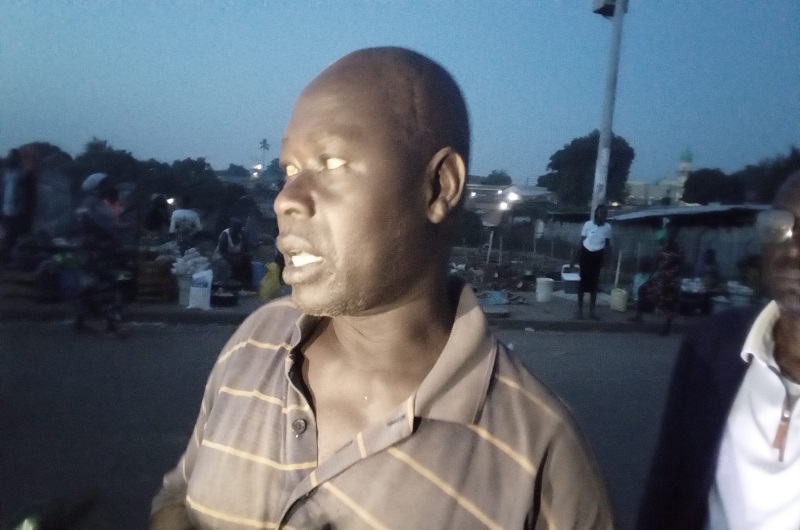
The WE CAN Director for Technical Services, Victor Ajuma, said they received information about the traders’ plight and travelled to the area on Wednesday.
“We found them in a deplorable condition. Women and children had been sleeping on the veranda of the sub-county headquarters, exposed to rain for a week,” Ajuma explained.
After verifying that all the traders were Ugandans from West Nile and not Congolese, WE CAN engaged the UPDF. The traders were eventually released on Thursday after an agreement that the animals would be offloaded and sold within Arua city.
Richard Andama, the WE CAN Executive Director, promised that the organization would follow up to ensure the affected traders are compensated by the government.
When contacted on phone, Lt. Col. George Okello, the 55 UPDF Battalion Commander in Arua, clarified that the traders were intercepted outside his area of jurisdiction due to fears they could sell animals to Congolese traders at the border, thereby risking the spread of Ebola.
He advised the traders to temporarily suspend mobile livestock trading until the Ebola situation stabilizes.
As of June 10, 2026, the DR Congo Ministry of Health had reported 676 confirmed Ebola cases and 136 deaths. In Uganda, the Ministry of Health reported 19 confirmed cases and 2 deaths as of June 11, 2026.