From Battling a Childhood Bone Disease to Giving Hope: How a Young Nurse Is Fighting to Change the Lives of Uganda’s Forgotten Children
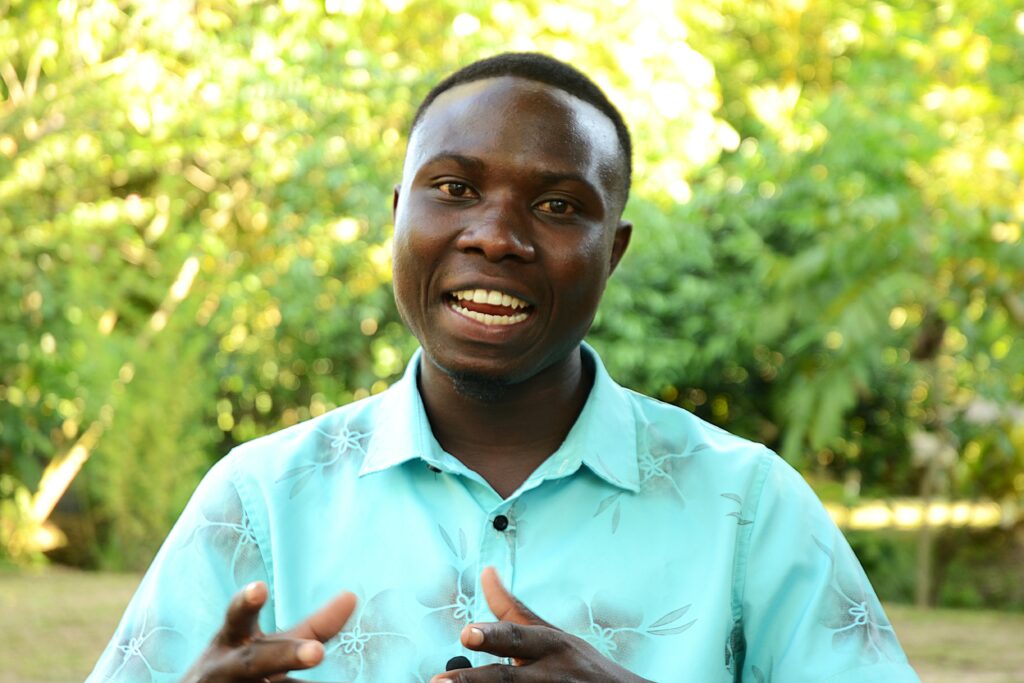
Kaleb Oranga, a 25-year-old nursing officer
Growing up in a humble family in Vurra Sub-county, Arua District, 25-year-old Kaleb Oranga never imagined that the greatest battle of his life would one day become the foundation of his life’s mission.
Today, he wears the uniform of a nurse, but beyond the hospital corridors, Kaleb carries an even greater responsibilityrestoring hope to vulnerable children and struggling families whose dreams have been overshadowed by poverty.
His story is not simply about overcoming adversity. It is about transforming pain into purpose and proving that compassion, rather than wealth, has the power to change lives.
Born into a family that could only afford government-funded education, Kaleb’s childhood was defined by financial hardship. Every school he attended reflected his family’s limited means, yet he never allowed poverty to dictate the size of his dreams.
“I studied in government schools because that is what my family could afford,” he recalls. “We didn’t have the money to take me to expensive schools, but I never allowed that to stop me from dreaming.”
Like many young Ugandans, Kaleb once dreamed of becoming a doctor. However, life took him on a difficult journey long before he could wear a medical uniform.
For nearly eight years, he battled osteomyelitis a painful bone infection that affected his left leg. Endless hospital visits, prolonged treatment and physical suffering became part of his childhood.
Yet, instead of breaking his spirit, the experience reshaped his understanding of compassion.
“Being a patient taught me what it means to suffer,” he says. “It also taught me how important it is to have someone who genuinely cares for you when you are sick.”
During one of those hospital visits, a doctor who treated him at Arua Pioneer Hospital saw potential beyond the illness.
The doctor encouraged him to pursue a career in healthcare, while his elder brother, a clinical officer, continued to inspire him to remain focused on serving others.
Those words planted a seed that would later blossom into a career dedicated to healing both bodies and broken hopes.
His desire to become a healthcare worker was strengthened by another painful reality.
Growing up in the village, he watched neighbours and families suffer from diseases that could easily have been prevented if only they had access to accurate health information.
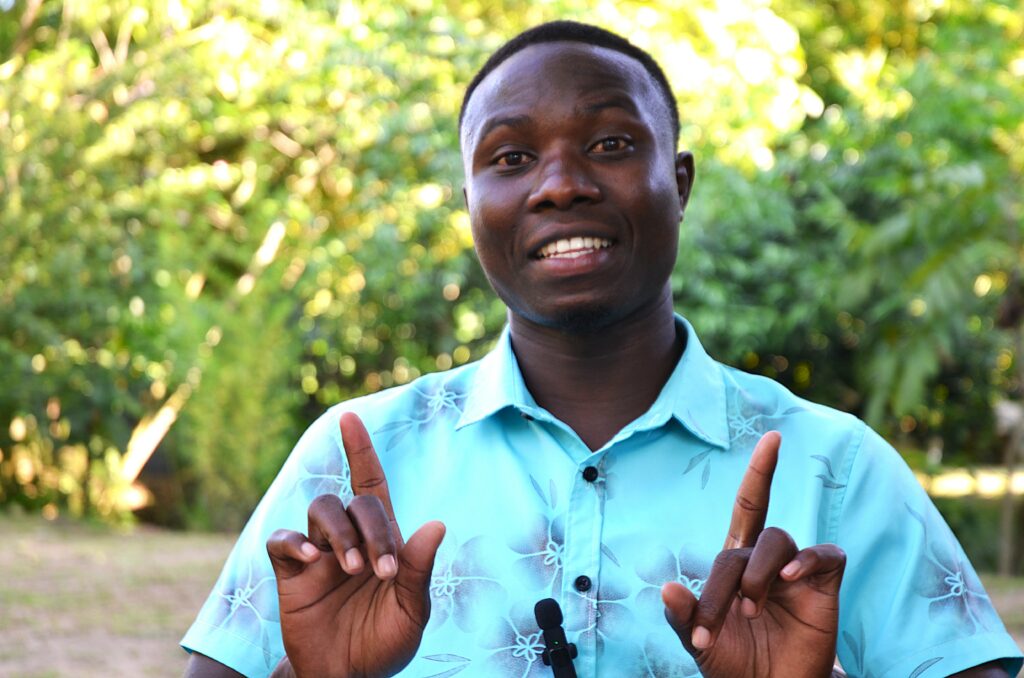
To Kaleb, many illnesses were not merely medical problems—they were failures of awareness.
“Sometimes people are suffering simply because nobody has explained to them how to stay healthy,” he says.
After completing his studies at Kuluva School of Nursing and Midwifery in 2023, Kaleb officially began his nursing career.
But even then, another obstacle emerged.
As a young man entering a profession often stereotyped as women’s work, he frequently faced discouragement.
Some questioned his career choice, while others insisted nursing was too demanding for him.
Kaleb remained unmoved.
“Caring for people has no gender,” he says. “Patients need both men and women because everyone deserves to feel comfortable when receiving treatment.”
Like many healthcare workers, he has experienced both the heartbreak and the fulfilment that define the profession.
He still remembers the pain of losing patients despite doing everything possible to save them. Yet those difficult moments are balanced by unforgettable encounters with patients who recovered and returned simply to express gratitude.
One patient, before leaving the hospital, specifically asked staff to find Kaleb so he could thank him, pray for him and bless him.
“Knowing that someone is alive and smiling because of your care gives you strength to continue,” he reflects.
But perhaps the defining moment of Kaleb’s life happened far away from the hospital.
While visiting an elderly disabled grandmother to provide treatment, he met her grandson—a bright Primary Seven graduate whose education had come to an abrupt halt.
The boy had lost his father. His mother had abandoned him. His grandmother, unable to walk and surviving in extreme hardship, had no means to pay for further education.
Kaleb left the home carrying one question in his heart:
“What will happen to this boy if nobody helps him?”
Rather than allowing sympathy to end at the doorstep, he chose action.
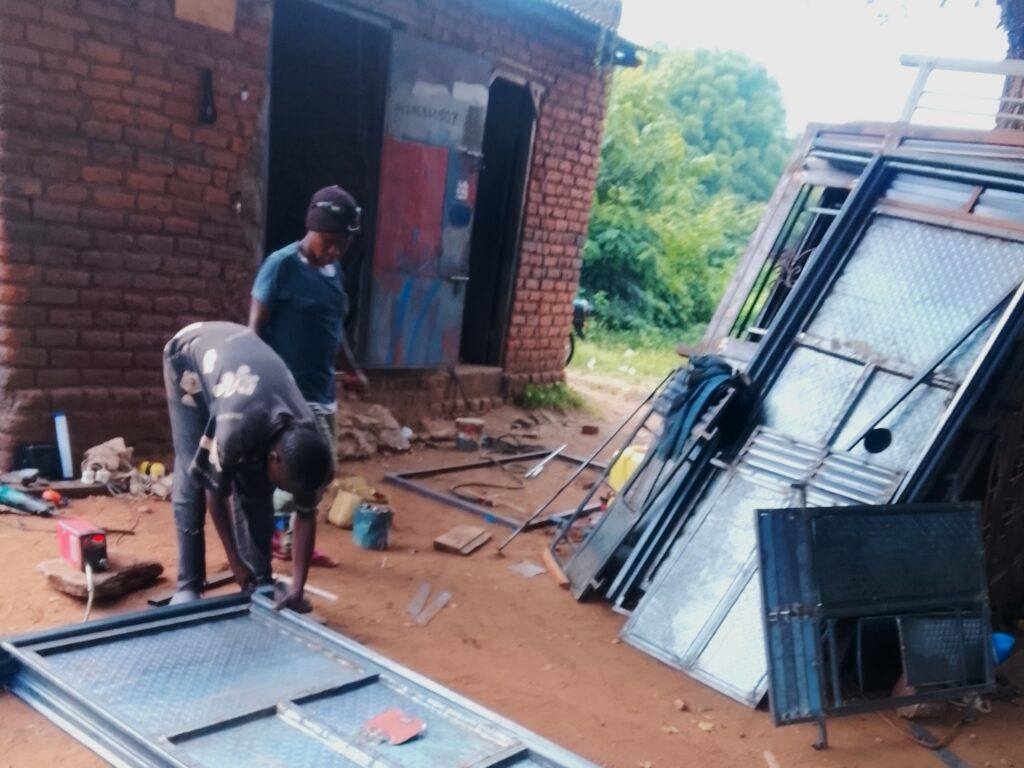
After learning that the boy had an interest in welding and fabrication, Kaleb reached out to a friend who owned a welding workshop.
The response was immediate.
The boy was enrolled in vocational training, opening the door to a future that had once appeared permanently closed.
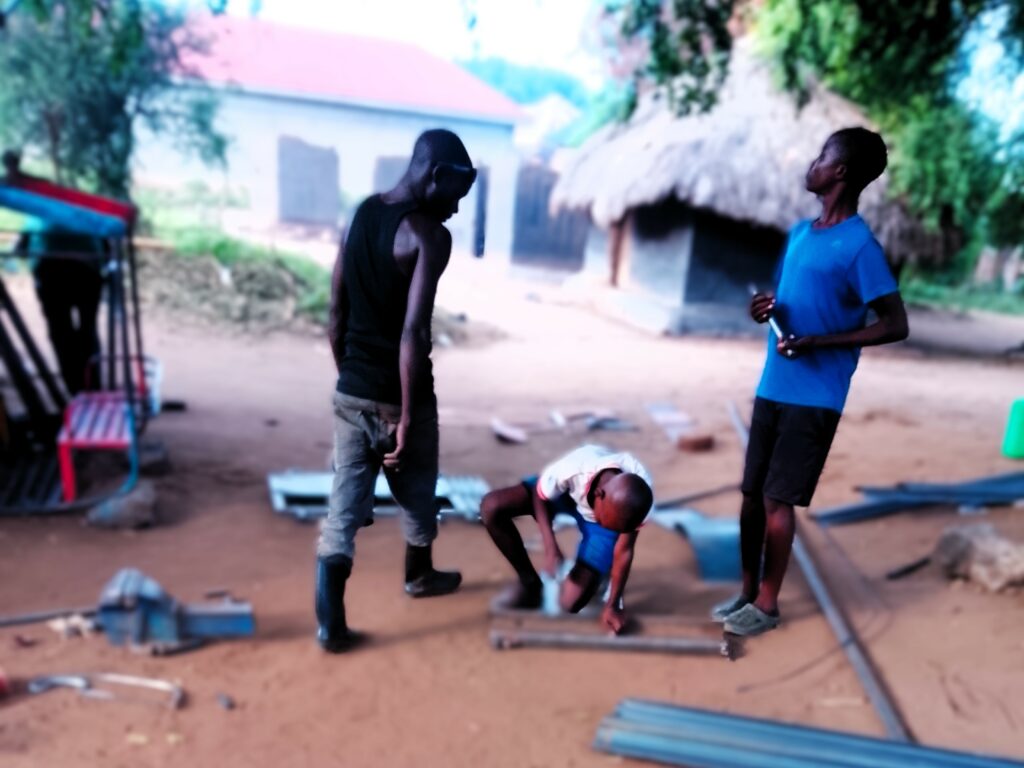
That single encounter became the inspiration for something much bigger.
Realising thousands of children across Uganda face similar circumstances, Kaleb began developing a charity platform that will connect vulnerable children with individuals willing to support them through education, vocational skills, healthcare and mentorship.
He believes helping others should never be reserved for the wealthy.
“People think you must first become rich before helping others. I don’t believe that. You help with what you have. Even a small contribution can completely change someone’s life.”
His vision extends beyond children.
Kaleb hopes the initiative will also support widows, elderly people, struggling families and young mothers facing the silent burden of poverty.
Rather than creating dependency, he wants the programme to empower people with practical skills and opportunities that enable them to rebuild their own lives.
For him, sustainable change begins with restoring dignity.
“Alone I cannot do much. But together we can lift someone from poverty and give them another chance.”
Away from work, Kaleb recognises that caring for others requires caring for himself as well.
He spends his free time reading, jogging, watching football and enjoying moments with friends, believing that healthcare workers must safeguard their own mental wellbeing if they are to effectively care for others.
“If your mind is not healthy, you cannot properly help other people,” he says.
His story unfolds against a backdrop of Uganda’s growing youth unemployment challenge, where many young people struggle to access education, employment and vocational opportunities.
For Kaleb, however, lasting transformation does not always begin with government programmes or large organisations.
Sometimes, it starts with one individual refusing to ignore another person’s suffering.
As he prepares to officially launch his charity initiative, Kaleb hopes it will become a platform where ordinary citizens contribute not only money but also their time, knowledge and skills to restore hope where it has long been absent.
His ambition is not fame, recognition or wealth.
Instead, he wants to be remembered as someone whose compassion gave vulnerable children the confidence to dream again.
“I want people to remember me as someone who made a difference in the lives of others. If one child gets an education, one youth learns a skill, or one family lives healthier because of something I did, then I will have achieved my purpose,” he says.
Wao so amazing 👏 that hard work and empathy in u means alot God bless u aboundantly bro
A journey of thousand miles begins with a single foot step. Therefore a bad beginning doesnt always means a bad ending. Kaleb is my best friend though of late but atleast we have a common pool with each other. I know Kaleb as a potential citizen whereby when supported can impact and offer alot when supported. Kaleb should know one thing ﹰ God doesn’t begin by asking for what you have but instead your presence ” HE knows u better. Just a matter of time . Stay forcus bruh 🙏🙏
This is what the world needs to keep going
Caring for each other regardless of relations or education levels.
Im very proud of you Kaleb.