Muni University to Construct Shs.160B Teaching Hospital to Address Demand for Specialized Medical Personnel
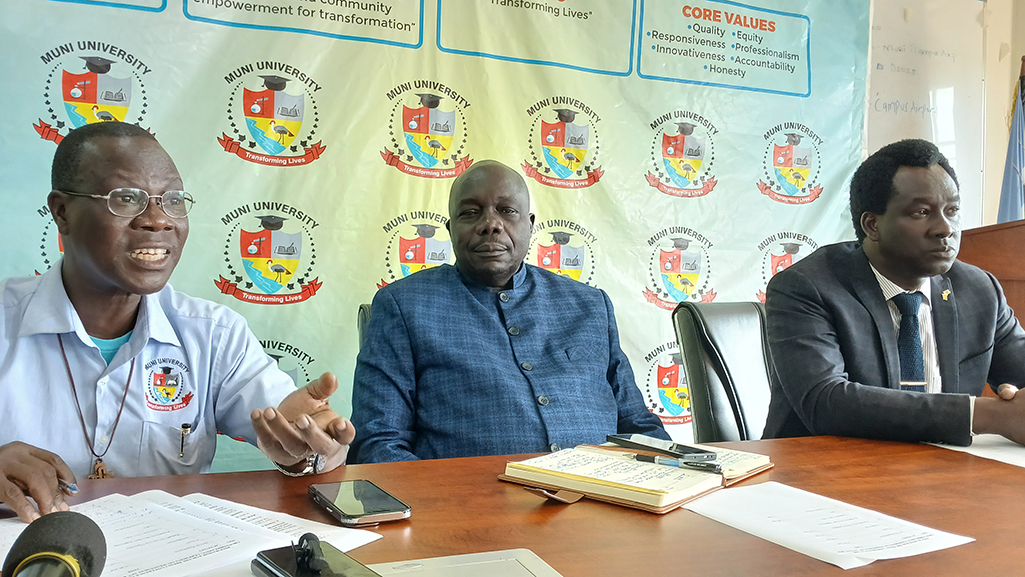
The Muni Univesrity Administration team addressing the press on Wednesday ahead of the Groundbreaking scheduled for Friday. Photo by Matata Benzamin
Muni University has embarked on the construction of a 160 billion Ugandan shillings teaching and research hospital to address the shortage of specialized medical personnel, expand access to advanced healthcare services and strengthen medical research and training in West Nile.
The university says the country faces a critical shortage of medical doctors, indicating a doctor-to-patient ratio of about one doctor for every 25,000 patients, compared to the recommended international standard of one doctor for every 1,000 patients.
The shortage, according to the university, has created an urgent need to train more specialized medical professionals, including doctors and pharmacists, while providing the facilities necessary for practical training, research and innovation.
This was revealed on Wednesday, August 19, 2026, during a press conference held ahead of the groundbreaking ceremony for the construction of the Muni University Teaching and Research Hospital scheduled for Friday in Arua City.
The Government of Uganda approved Shs160 billion for the multiyear project, which will be undertaken by Roko Construction Company Limited.
Assoc. Prof. Simon Anguma Katrini, the Vice Chancellor of Muni University, said the government has allocated Shs30 billion for the project in the current financial year, of which Shs20 billion has already been released to the university.
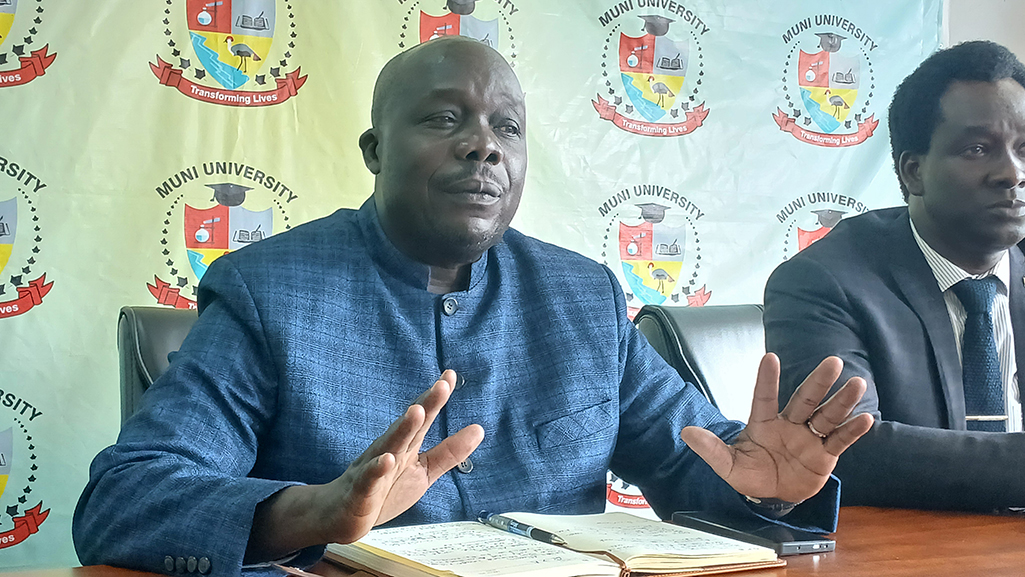
“The government has allocated shs. 30 billion for the start of the construction this financial year. And we have already received 20 billion shillings in the university account from the central bank.” Ass. Prof. Anguma revealed.
He said the hospital will offer a wide range of specialized medical services, including fertility treatment, reducing the need for patients to travel outside the region or country in search of advanced healthcare.
“The doctor-patient ratio is supposed to be one is to 1000, but the current doctor-patient ratio in Uganda is one is to 25,000. We are 25 times worse off in terms of doctor-patient ratio. That means doctors are not enough, and Uganda’s case is worse when it comes to specialized fields of medicine.” He stressed.
“If we get problems with our reproductive organ, it needs a specialized person and when you go to Arua regional referral hospital, can you get an urologist? You can get a gynecologist, but you cannot get a urologist. Just like a simple skin disease, dermatologists are not there.”
Ass. Prof. Anguma, said, “Uganda has very few of them. That is why we want this Teaching and Research hospital to train doctors, even in specialized fields.”
The planned facility will include biomedical laboratories, lecture theatres and several operating theatres, including a dedicated organ transplant theatre and another specifically designed for women.
Prof. Picho Epiphany Odubuker, the Deputy Vice Chancellor in charge of Finance, Planning and Administration at Muni University, said the hospital will go beyond conventional healthcare delivery by combining treatment, research and innovation.
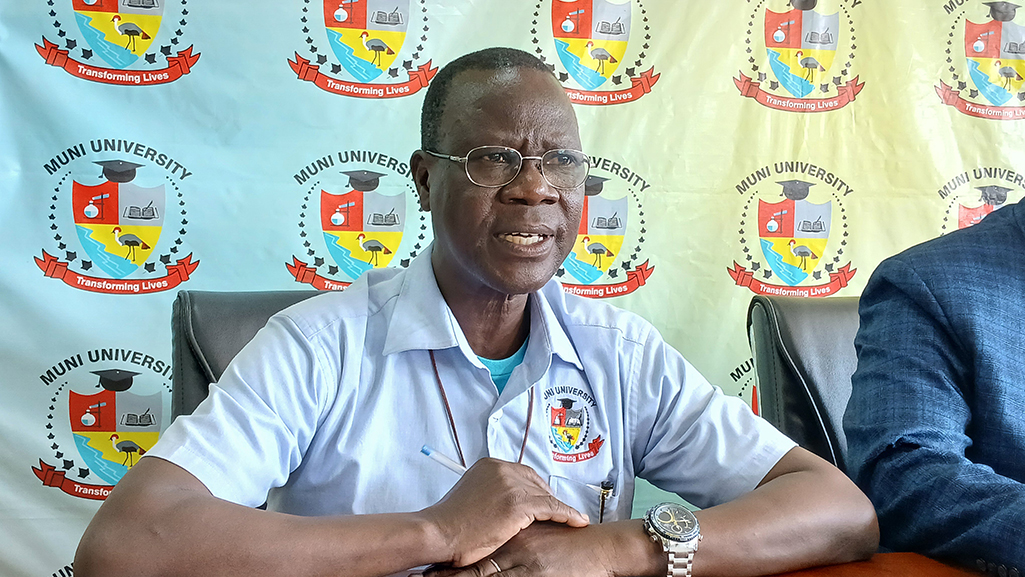
“We shall have high level and quality training in medicine and health sciences which requires a strong clinical environment. The hospital will integrate teaching, clinical training, research, innovation, and healthcare. It will therefore strengthen both the university’s academic mandate and the healthcare system in West Nile, but also at regional level.”
Odubuker said the hospital is expected to serve people from across West Nile and neighboring countries, as a major center for specialized healthcare, medical education and research in the region.
“Its mandate goes further than provision of healthcare because it is being developed as a teaching and research hospital, meaning that patients’ care will be integrated with the training of health professionals and scientific research.” Prof. Picho emphasized.
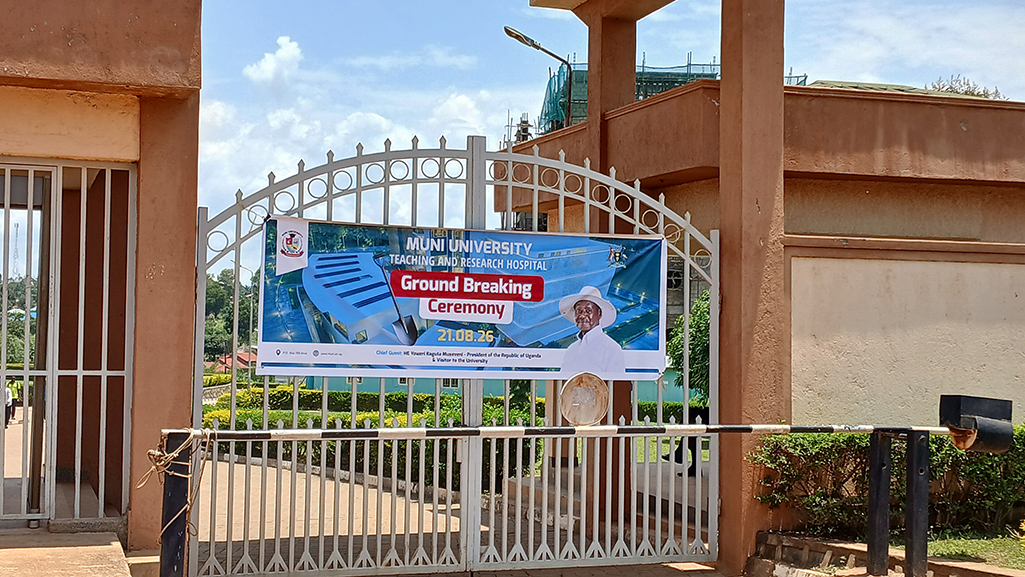
The President of the Republic of Uganda, H.E. Yoweri Kaguta Museveni, is expected to be the chief guest at the groundbreaking ceremony, which will also be attended by the Minister of Health, the Minister of Finance, Planning and Economic Development, Members of Parliament from West Nile, and local leaders.