New Livestock Market Opens in Arua City to Boost Cross-border Trade and Local Revenue
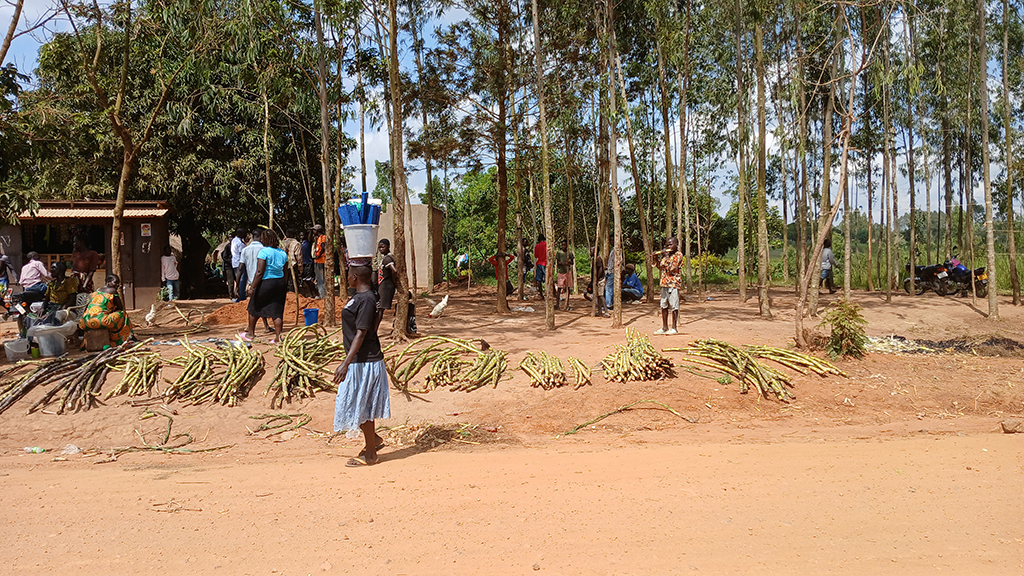
Women entrepreneurs selling food items such as sugarcanes and tea for the traders
For many years, Arua City has lacked a spacious livestock market to support the growing cross-border livestock trade with the Democratic Republic of Congo. The establishment of a new livestock market in Kati Ward, Ayivu West Division, near the Okayiva River in Onduparaka, is expected to boost the trade, enhance local revenue, reduce meat prices and help tackle animal theft.
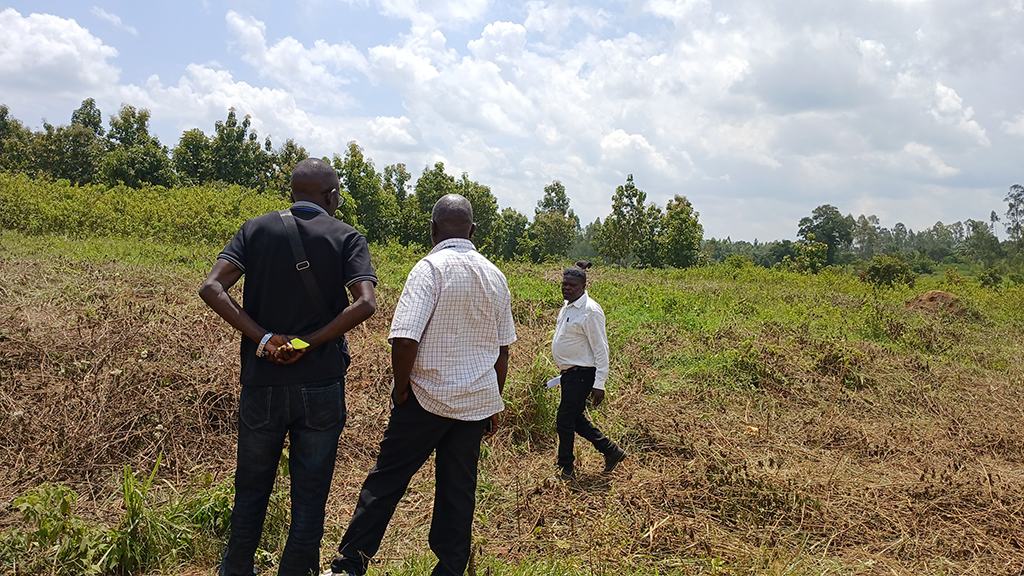
Local leaders believe the market will strengthen cross-border trade between Ugandan and Congolese traders while creating employment opportunities for young people, many of whom have remained idle and vulnerable to crime.
The livestock trade rate in the West Nile sub-region has an estimated inflow of more than 8,000 animals traded monthly via 5 to 15 trucks arriving daily in Arua, driven by high demand from the Democratic Republic of Congo.
Speaking during the official launch of the market on Friday, Patrick Okiriori Adrabo, the Chairperson of the West Nile Livestock Traders Association, said the facility will provide an organized and regulated trading environment that will benefit both traders and the local government.
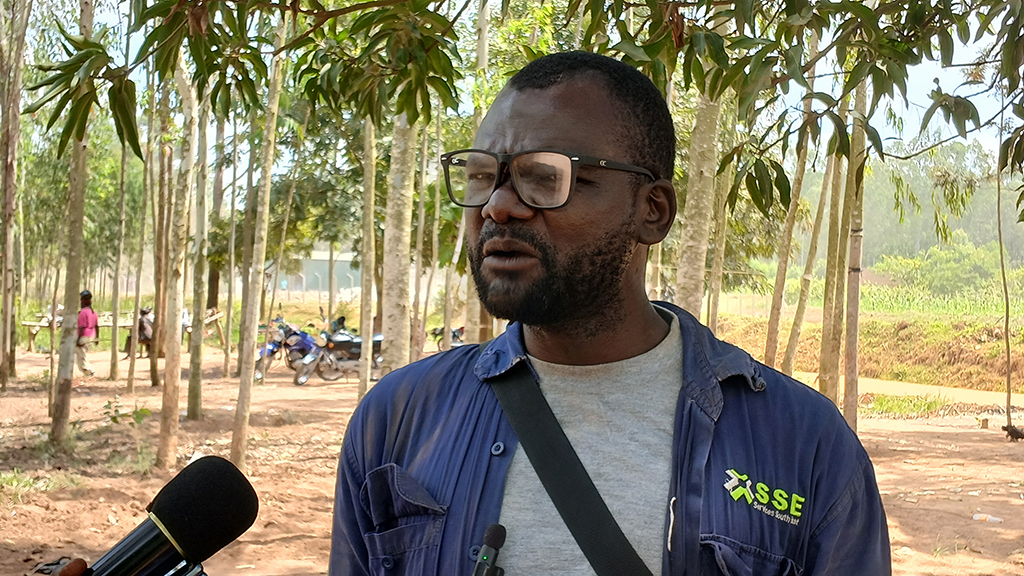
He said the market will generate revenue for the division, create jobs and contribute to reducing livestock theft in surrounding communities.
“This trade has not been professional here. West Nile has a strategic place for marketing the livestock. This is because we have our neighbors, who are Congolese, and we have our neighbors from the regions. We are making sure that traders coming from Lango, Acholi, and Teso, will have to come and sell to the West Nile traders, the local traders, then will be the ones selling to the Congolese,” Patrick explained
Adrabo noted that cattle, goats, sheep, pigs and poultry are among the most profitable livestock traded in the market and encouraged residents to venture into livestock farming and trading to improve their household incomes.
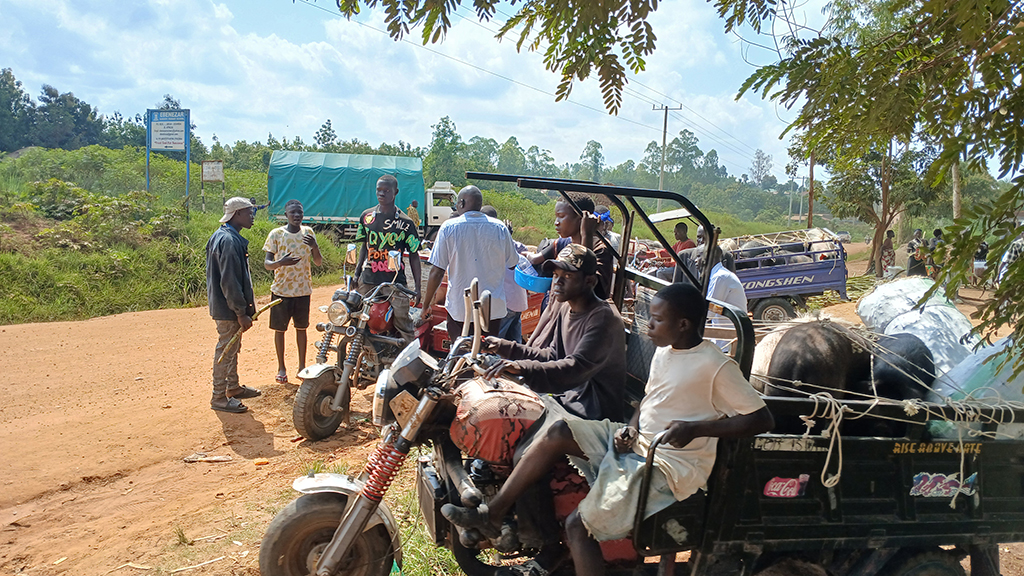
Joyce Anderu, the Town Agent for Kati Ward, commended the investors for establishing the market, saying it will increase local revenue for the division while providing employment opportunities for residents.
“This is really an opportunity for Ayivu Division and Arua City as a whole, to enhance revenue, and for locals to market their animals at a reasonable price. We are really very grateful for that.”
Stephen Akata, the LC II Chairperson of the area, welcomed the investment, saying it will create business opportunities for women entrepreneurs, especially those selling food and other essential items to traders. He added that the market will also improve security and fill a long-standing gap, as the ward previously had no revenue-generating market.
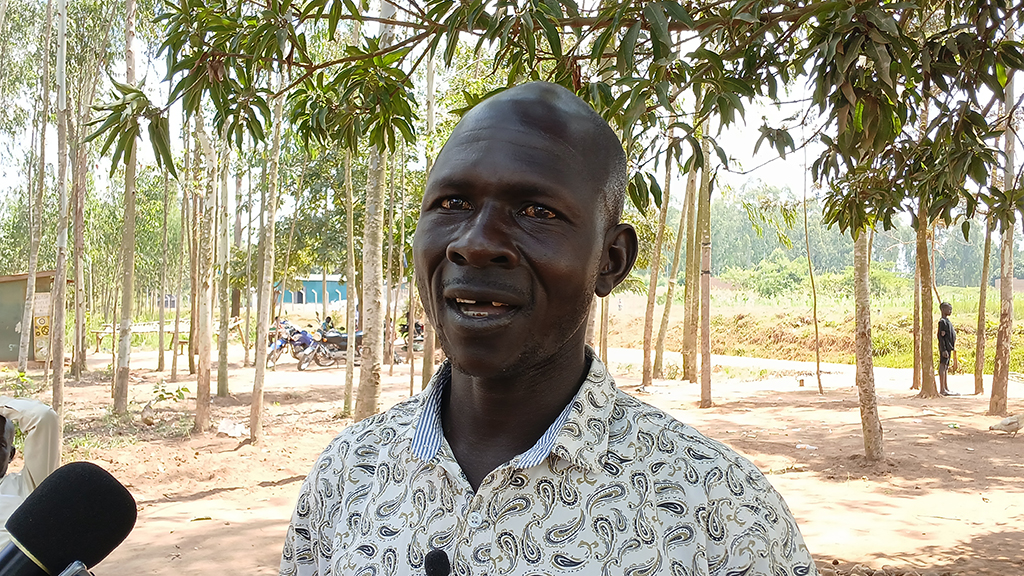
“I welcome this investment to my ward because it gives us a lot of opportunities, especially to the youths, where they have been idle. We are also security assured because the government has shown interest to take care of the business. It is going to give opportunity to our women who are around here, selling tea, sugarcane and other items. My ward has been an area with little resources because we had no big markets where we collect revenue. But this time, I’m comfortable that we shall be able to get revenue from the traders.”
Meanwhile, Richard Andama, the Executive Director of the West Nile Compensation Advocacy Network (WE-CAN), said rising youth unemployment has contributed to the increase in livestock theft. He expressed optimism that the new market would provide alternative sources of income and help reduce the vice.
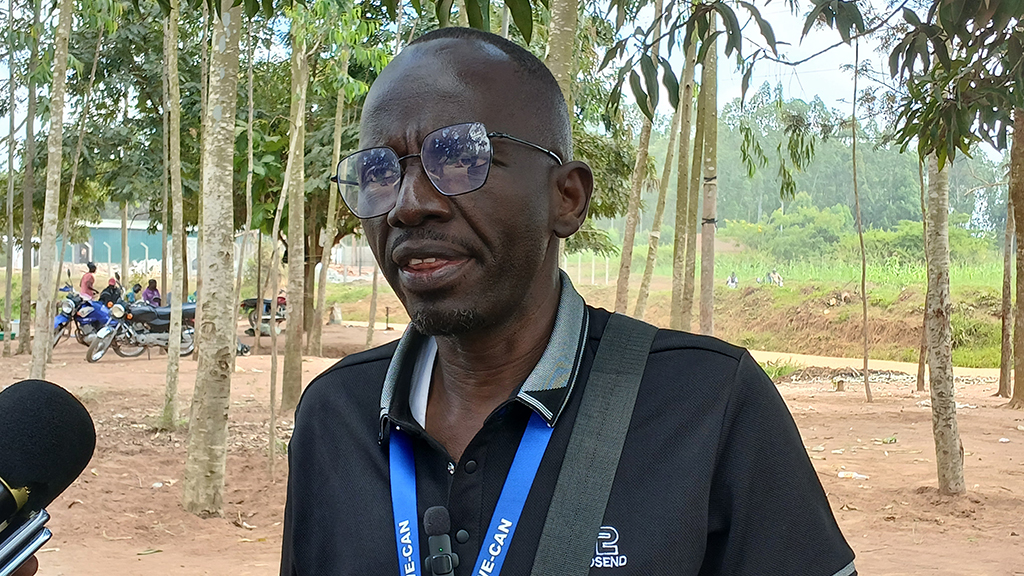
“We are also aware of rampant theft of animals. People simply go to someone’s home, collect animals, put them in vehicles or in tri-cycles, and drive to Congo. You come in the morning, you find the kraal is empty. So this one is going to mitigate rampant theft of animals.”
Livestock trade remains one of the most profitable cross-border businesses in the West Nile sub-region due to its strategic location along the borders with the Democratic Republic of Congo and South Sudan, where thousands of animals are traded annually across the borders.