Carnegie A1 Community Market: The Cleanest Market Winning Vendors’ Hearts in Arua City
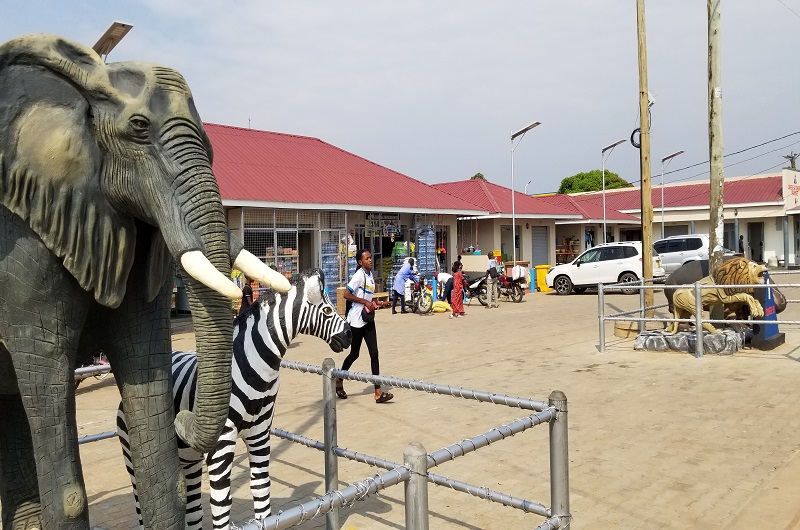
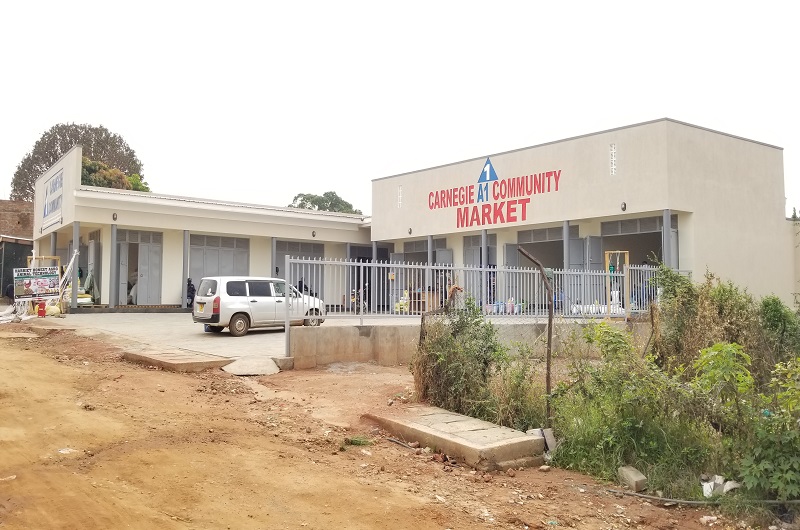
Carnegie A1 community market in Arua city. Photo Credit, Andrew Cohen Amvesi
ARUA CITY – Just 3km from Arua city centre along the Arua-Nebbi road lies a striking sight, beautiful animal sculptures that could easily be mistaken for hotel ambience.
But this is no hotel. It’s the bustling Carnegie A1 Community Market, with busy stalls offering a variety of goods and people streaming in and out of its gates.
This multi-million-shilling, community-driven investment began with bush clearing in May this year.
Barely six months later, vendors in Abirici Cell, Onzivu Ward, Ayivu Division, and elsewhere are now enjoying the market’s modern facilities.
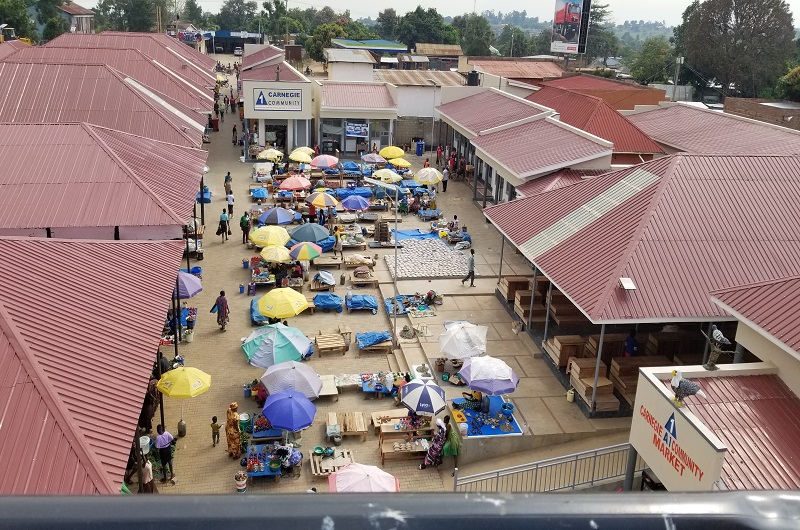
Officials say it has the capacity to accommodate over 5,000 vendors, and many already hail it as the cleanest in northern Uganda.
How the market started
Joseph Amandua, the Director of Carnegie A1 Community Market, explained that construction began in May and was completed in five months.
The first phase, finished in September, included lock-up shops, stalls, open vending space, restaurant facilities, storage, offices, toilets, garbage sheds, and parking.
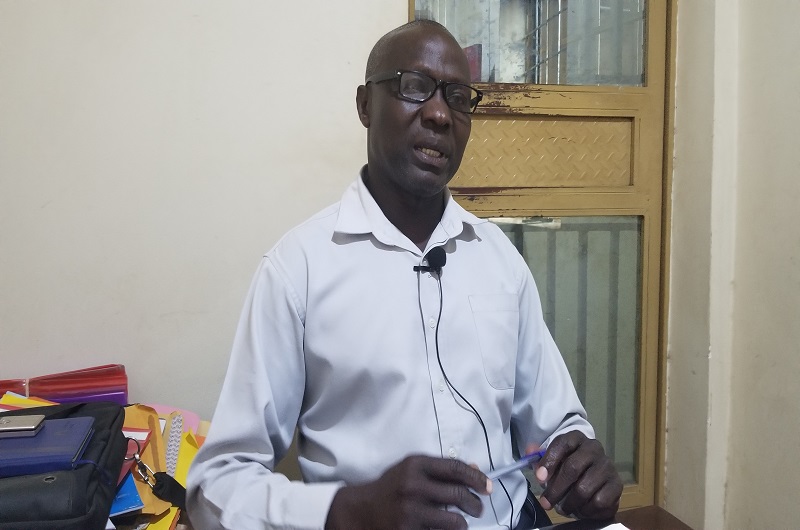
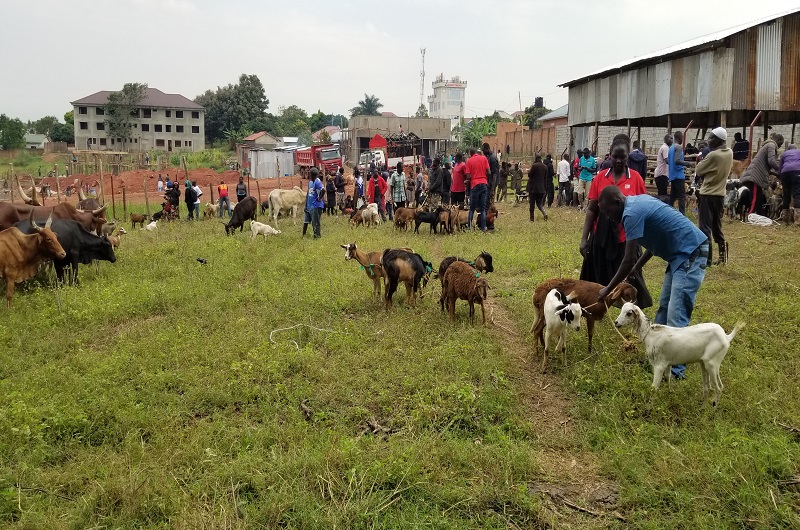
The second phase focused on the livestock section. “Right now, we have a functional holding ground for selling live animals such as cattle, goats, and poultry. We are also building a slaughter facility. Since we have butchers here, animals can be slaughtered on-site,” Amandua said.
He added: “We are also adding shops near the livestock area for related activities, like selling veterinary drugs, animal feeds, and ropes. This is the infrastructure we have in place at Carnegie A1 Community Market.”
Amandua noted that the market is designed to accommodate over 5,000 vendors, anticipating future growth and ensuring it can serve the community for the next five to ten years.
Why Carnegie A1 community market was established
Amandua said the private facility was created to improve community livelihoods.
“We aimed to provide safe space for buying and selling. Roadside vending in the city causes many challenges, including accidents that have claimed lives. This market offers a safer alternative,” he explained.
Street vending also leaves rubbish that blocks drainage channels, making roads dirty.
Secondly, the market creates employment opportunities, mainly self-employment. “You’ll see boda-boda riders, loaders, cleaners, middlemen, and shop attendants all earning a living,” Amandua said.
The market prioritizes cleanliness for economic activities.
Above all, it encourages demand-driven commercial production. “When producers sell small quantities consistently, they are motivated to scale up and become commercial farmers,” he noted.
The vision is to promote trading as a sustainable livelihood, drive city development, and boost tourism through craft sales.
Vendors speak out
Racheal Apio, a produce dealer, called it the cleanest market in West Nile and northern Uganda. Its beauty and spaciousness drew her from Ewuata Market.
“This is the best market for me; it is cleaner than my previous one, and likely the best in northern Uganda. There’s ample space for comfortable buying and selling,” Apio said. She urged the public to support vendors by shopping there.
Faida Christine, another produce seller and mother, appreciates the clean environment, safe for bringing her baby. She noted that the market is still attracting customers and called for more support, especially during the festive season.
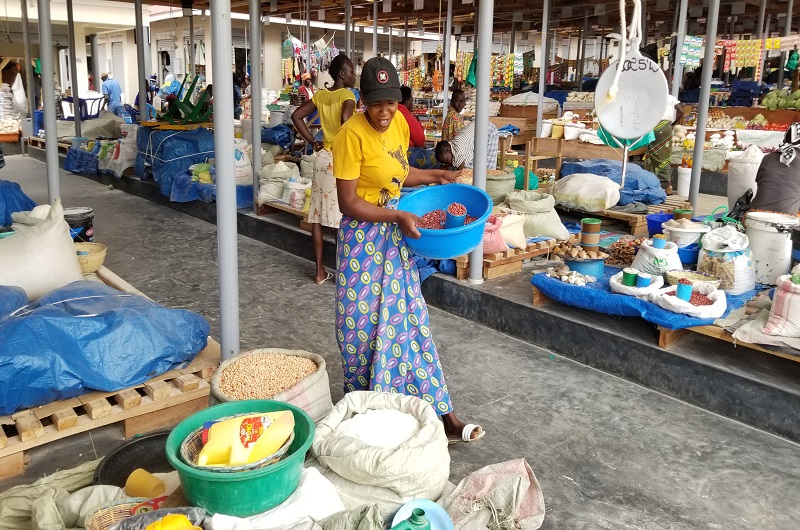
Innocent Ofoywroth, a fish dealer, praised the cleanliness, sanitary facilities, conducive environment, and security.
“Everything here is good. I welcome others to join because this market is here to stay,” he said.
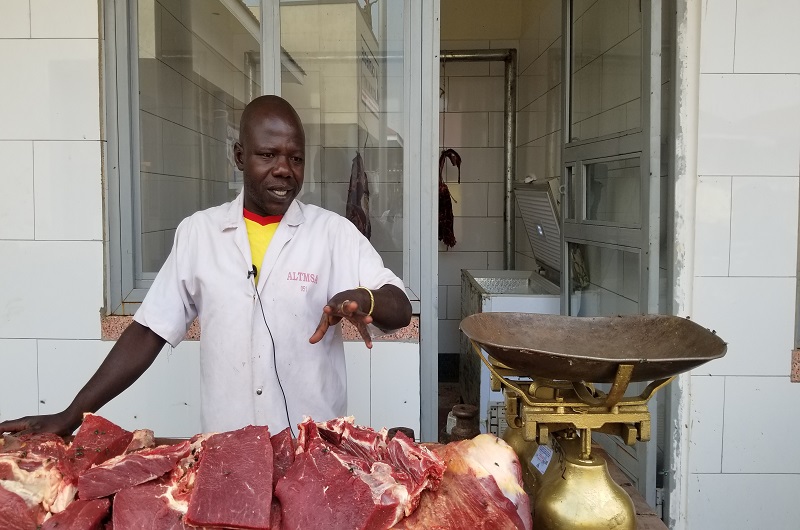
Mansur Ajobe, a butcher formerly operating at the roadside in Awindiri Market, highlighted the health benefits and safety.
“The old site was dirty and risky. One day, a vehicle nearly hit us, injuring a colleague. Here, I work without fear,” Ajobe said.
Moses Arima, a goat dealer, appreciates the livestock section, saying it is saving him transport costs to distant markets.
For boda-boda cyclist Benard Adriko who operates at the nearby Ceford stage, the market has boosted his earnings from Shs20,000 to at least Shs50,000 daily, thanks to increased customers.
Local leaders’ views on the market
Juliet Ongiera, Councillor for Onzivu Ward in Ayivu Division, described it as a demand-driven initiative that has reduced street vending and accidents by decongesting roads.
“The market has created jobs for boda-boda riders, youth, women as cleaners, attendants, and loaders. The market is organized, well-lit, and secure,” she said.
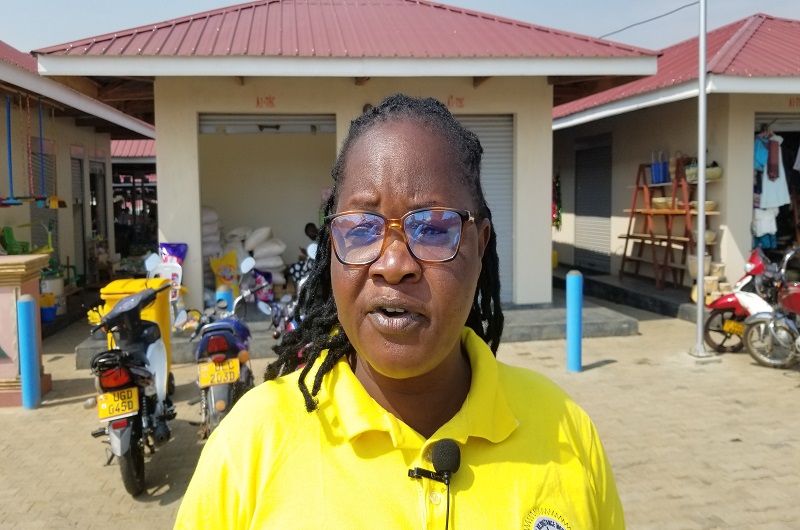
Ongiera added that the market benefits Arua City and neighboring districts thus enhancing local revenue for development.
Ayivu Division Mayor Malon Avutia commended the private investment, noting previous markets lacked permanence.
“Carnegie A1 community market has activated wealth creation in Onzivu Ward and saves transport costs for shoppers. It creates direct and indirect jobs. We expect over 5,000 people involved over time,” Avutia said.
He noted rising land values, improved infrastructure like roads and electricity, and council benefits from taxes as a result of the market in the near future.
Avutia urged PDM fund recipients to invest in market businesses for better revenue and services. He invited more partners for projects like bus terminals, warehouses, and hotels in Ayivu Division.
Carnegie A1 community market will officially be commissioned next year upon completion of the remaining facilities.
This is one of the best markets in the whole of West Nile region, we give thanks to the brain master behind this market.