From Borderlands to Business Corridors: Why West Nile’s Peace Dividend Could Unlock a New Investment Frontier
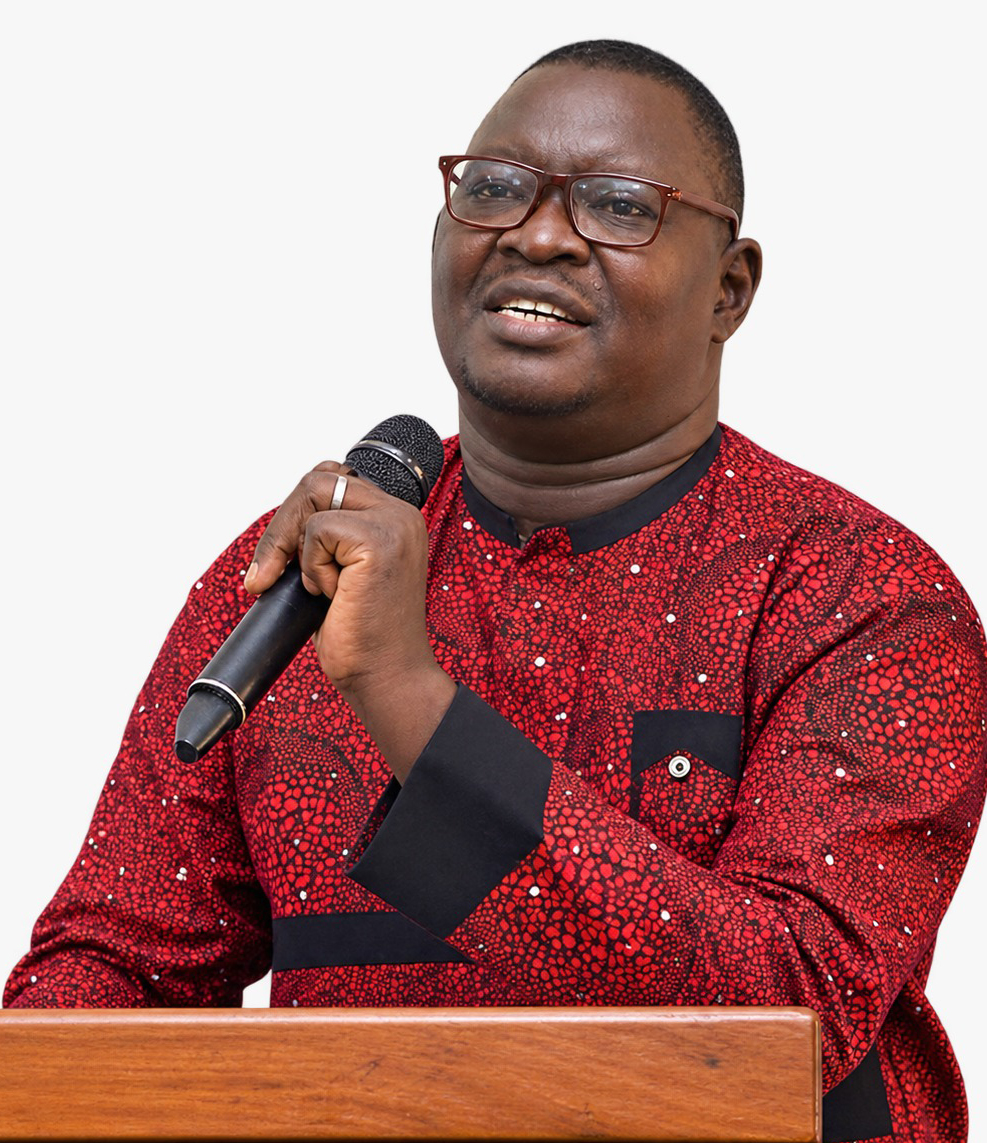
Mr Moses Akuma Odims the Executive Secretary of West Nile Development Association WENDA
As the world observes the International Day of Peace on 21 September 2026 under the United Nations theme “Invest in Peace – For Everyone, Everywhere, Every Day,” West Nile presents a powerful example of why peace should be viewed not only as a humanitarian objective, but also as an economic foundation.
For decades, West Nile has been associated with displacement, insecurity, humanitarian response and the consequences of conflicts in neighbouring countries. Yet beyond that narrative lies another story one of resilience, entrepreneurship, fertile land, strategic geography, cultural diversity, youthful populations and a growing network of communities connected across Uganda, South Sudan and the Democratic Republic of the Congo.
The region is increasingly positioned to become more than a borderland. With sustained investment in peace, infrastructure, trade, agriculture, tourism, manufacturing, logistics, financial inclusion and human capital, West Nile can emerge as an important gateway for regional commerce and investment.
At the centre of this transformation is the work of the West Nile Development Association (WENDA), which has spent more than three decades promoting sustainable development, peace, coordination and regional cooperation.
The message on this International Day of Peace is therefore simple: investing in peace in West Nile is also an investment in the region’s economic future.
Peace as the Foundation of Investment
No serious investor can ignore the relationship between peace and economic confidence.
Businesses require predictable environments in which people can work, goods can move, contracts can be honoured, markets can develop and infrastructure can be protected. Where communities trust one another and institutions can manage disagreements peacefully, the conditions for long-term investment become stronger.
This is why peacebuilding should not be viewed as an activity separate from economic development.
Since its establishment in 1993, WENDA has brought together local governments, the private sector and civil society around the shared objectives of peace, development and regional coordination. Over the years, the organisation has supported peace education, reconciliation, cross-border dialogue, community engagement and regional governance.
These interventions have helped strengthen the social infrastructure upon which economic development depends.
WENDA’s experience demonstrates an important lesson for development partners and investors: “a peaceful community is not simply a beneficiary of investment; it is an essential partner in creating an environment in which investment can thrive.”
West Nile: A Strategic Regional Gateway
West Nile occupies a unique geographical position at the intersection of Uganda, South Sudan and the Democratic Republic of the Congo.
This location presents challenges, but it also represents an extraordinary economic opportunity.
The borders connecting these countries are already crossed by traders, families, farmers, transporters and cultural communities. With the right investments, these existing connections can evolve into stronger commercial corridors linking markets and creating opportunities for businesses across the region.
Arua City and other urban centres in West Nile have the potential to serve as important commercial and logistics hubs connecting producers to consumers across national boundaries.
The opportunity extends beyond trade.
Investors can look at the region through the lens of agriculture and agro-processing, logistics and transport, renewable energy, manufacturing, hospitality, tourism, financial services, housing and real estate, digital services, education and skills development.
The region’s future should therefore not be defined exclusively by its proximity to conflict-affected areas. Its strategic location should also be recognised as an asset capable of connecting three national economies and millions of consumers.
From Humanitarian Response to Economic Participation
West Nile has for many years hosted large refugee populations fleeing conflict, particularly from South Sudan and the Democratic Republic of the Congo.
The humanitarian response has saved lives and provided essential services. However, the next stage must increasingly focus on creating opportunities for refugees and host communities to participate in productive economic activity.
Durable solutions require more than temporary assistance.
They require opportunities for people to acquire skills, establish businesses, access finance, participate in markets and build sustainable livelihoods. At the same time, host communities must also benefit from investments in infrastructure, services and economic opportunities.
WENDA’s work through the West Nile Regional Engagement Forum (WN-REF) has demonstrated the value of bringing local governments and other stakeholders together to coordinate refugee-related development and advocacy.
Through partnerships and multi-stakeholder platforms, local realities can be connected to national and international refugee-response frameworks.
This approach offers an important investment lesson: “refugee-hosting communities should not be viewed merely as humanitarian destinations. They can become centres of enterprise, production, innovation and cross-border commerce when appropriate investments are made.”
Financial inclusion is particularly important. Access to affordable finance can enable refugees and host-community entrepreneurs to move from subsistence activities into viable enterprises capable of creating employment and stimulating local markets.
Agriculture: Turning Potential into Value
Agriculture remains one of West Nile’s most important economic foundations.
The region has considerable potential for commercial agriculture, livestock, horticulture and agro-processing. Yet the greatest opportunity may not simply be in producing raw agricultural commodities. It is in building complete value chains around them.
Investors can participate in irrigation, mechanisation, storage, cold-chain systems, processing, packaging, transportation, agricultural finance and market development.
Instead of exporting raw produce with limited value addition, the region can develop industries that process agricultural products locally, creating jobs and retaining more value within communities.
This is where peace, infrastructure and investment intersect.
Farmers need reliable markets. Processors need consistent supplies. Traders need dependable transport networks. Financial institutions need functioning enterprises. Investors need predictable operating environments.
A coordinated regional development strategy can connect these elements into an integrated economic ecosystem.
Trade Can Become an Instrument of Peace
Cross-border trade is often discussed primarily in terms of customs procedures and taxation. It should also be understood as a peacebuilding instrument.
When communities depend on one another economically, they have a tangible interest in maintaining stability.
Traders from Uganda, South Sudan and the DRC do not simply exchange goods. They build relationships, create networks and develop mutual economic interests.
Markets in Arua, Juba, Aru and Ariwara and other commercial centres can become increasingly connected through better infrastructure, transparent trade systems and efficient border management.
This is why investments in roads, border facilities, telecommunications, energy, warehousing and logistics should be regarded as investments in both economic development and regional stability.
The European Union’s efforts to strengthen trade and commercial connections between countries and communities demonstrate the broader potential of linking economic integration with peace and prosperity.
West Nile should be positioned to benefit from such regional initiatives.
Cultural Diplomacy: An Underused Economic Asset
West Nile’s greatest assets are not limited to its land and geographical position.
Its people are equally important.
Communities across West Nile, northern Uganda, South Sudan and eastern DRC share longstanding cultural, linguistic, family and commercial connections. These relationships create an opportunity for cultural diplomacy to complement formal government-to-government relations.
Joint cultural festivals, educational exchanges, sporting activities, artistic collaborations and people-to-people initiatives can strengthen relationships across borders.
Culture can also support tourism and the creative economy.
Music, film, food, heritage, crafts, festivals and storytelling can become economic activities while simultaneously strengthening regional understanding.
For investors, this represents an opportunity to look beyond traditional sectors and consider the potential of the creative and cultural economy as part of West Nile’s emerging investment landscape.
Building the Infrastructure for the Next Generation of Investment
Peace alone cannot transform West Nile into an investment destination.
Peace must be accompanied by infrastructure and institutions capable of supporting economic activity.
The region needs continued investment in roads, electricity, water systems, telecommunications, digital connectivity, industrial facilities, markets, financial services and urban development.
Local governments and development partners also need stronger capacity to plan and implement projects that respond to the realities of rapidly growing communities.
This is where public-private partnerships can play an important role.
Government does not have to finance every aspect of regional development alone. Responsible private investment can complement public resources by bringing capital, technology, management expertise and access to markets.
The objective should be to create an environment where investors can identify opportunities while communities receive meaningful and sustainable benefits.
WENDA’s Role in the Emerging Investment Story
WENDA’s contribution to this vision is not to replace government, investors or development agencies.
Its strength lies in its ability to convene stakeholders and connect regional priorities.
Its experience in bringing local governments, civil society, private-sector actors and communities together provides an institutional platform through which regional development priorities can be discussed and coordinated.
The organisation’s peacebuilding initiatives, reconciliation programmes, refugee-host engagement and cross-border dialogues provide a foundation upon which a broader economic cooperation agenda can be built.
The opportunity now is to deepen this role.
WENDA and its partners can help promote a regional vision in which peace, investment and development reinforce one another.
A Call to Investors and Development Partners
On this International Day of Peace, the international investment community should look at West Nile through a broader lens.
The region should not be viewed solely through the challenges associated with refugees, borders and historical conflict.
It should also be viewed through its opportunities.
There is potential for investors interested in:
- Commercial agriculture and agro-processing
- Livestock and food production
- Renewable energy
- Logistics and transport
- Warehousing and regional supply chains
- Manufacturing and value addition
- Tourism and hospitality
- Real estate and urban development
- Digital technology and telecommunications
- Financial inclusion and SME financing
- Education and vocational skills
- Healthcare
- Creative industries and cultural tourism
- Cross-border trade and commercial services
These opportunities require more than capital. They require partnerships with local communities, governments and institutions.
Investors who understand this model can become participants in a broader process of regional transformation rather than simply providers of capital.
Four Priorities for a Peaceful and Prosperous West Nile
First, strengthen peacebuilding institutions and partnerships. WENDA’s regional platforms and community-level initiatives require sustained support so that peacebuilding remains connected to development.
Second, move from humanitarian dependence toward durable economic participation. Refugees and host communities need access to skills, finance, markets and productive opportunities.
Third, make cross-border infrastructure and trade facilitation a development priority. Roads, border systems, telecommunications, energy and logistics infrastructure can transform geographical proximity into commercial opportunity.
Fourth, build a regional investment narrative around West Nile’s assets. The region’s agriculture, people, culture, strategic location and emerging urban centres deserve greater attention from responsible investors and development institutions.
West Nile’s Peace Dividend
Peace should ultimately produce more than the absence of violence.
It should allow children to attend school, farmers to reach markets, businesses to expand, young people to find meaningful employment, families to invest in their futures and communities across borders to trade and interact without fear.
That is the peace dividend.
West Nile has already demonstrated resilience in the face of enormous challenges. Its next chapter can be defined by investment, innovation, enterprise and regional cooperation.
The international community therefore has an opportunity to see West Nile differently—not simply as a region that needs assistance, but as a region with assets, markets, people and opportunities worthy of investment.
WENDA’s vision is ultimately about building bridges: between communities, between governments, between refugees and hosts, between markets and between nations.
As we mark the International Day of Peace, let us recognise that “investing in those bridges can help turn borders into economic corridors, cultural differences into opportunities for exchange, and peace into shared prosperity.”
The future of West Nile should not be written only in terms of what the region has survived. It should also be written in terms of what the region can build.
Opinion Writer Mr Moses Akuma Odims the Executive Secretary of West Nile Development Association WENDA.