Private School Leadership in Arua City Raises Concern over Scarcity of Qualified Primary Teachers
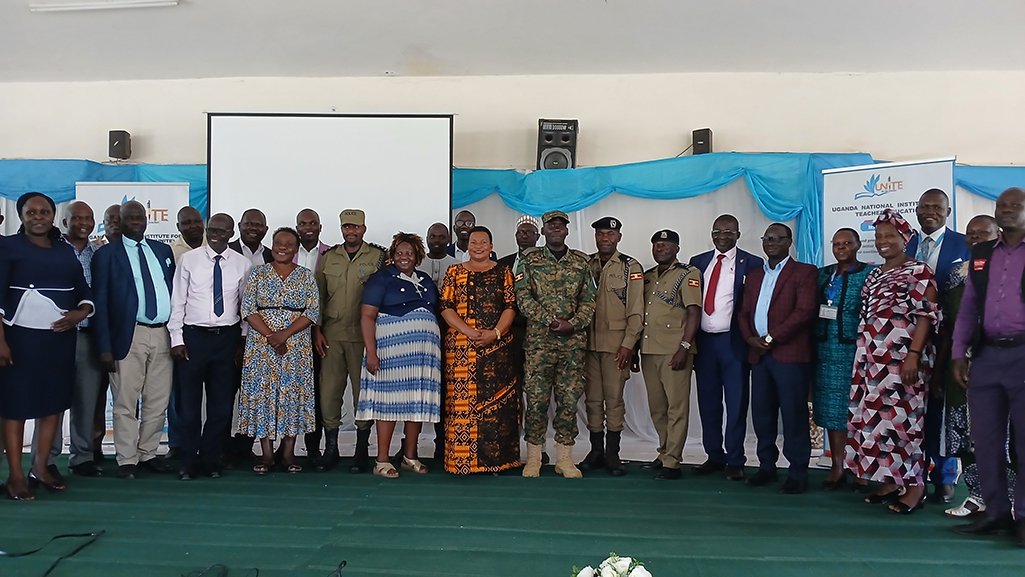
Group Photo with the team from Ministry of Education and Sports, UNiTE, Arua RCC and educationists. Photo by Matata Benzamin
The leadership of private primary schools in Arua City has raised concern over the growing scarcity of qualified teachers for primary education.
They noted that the phasing out of Primary Teacher Training Colleges (PTCs) has created a gap in the production of new Grade III teachers, leaving many schools, especially private institutions, struggling to find qualified teachers.
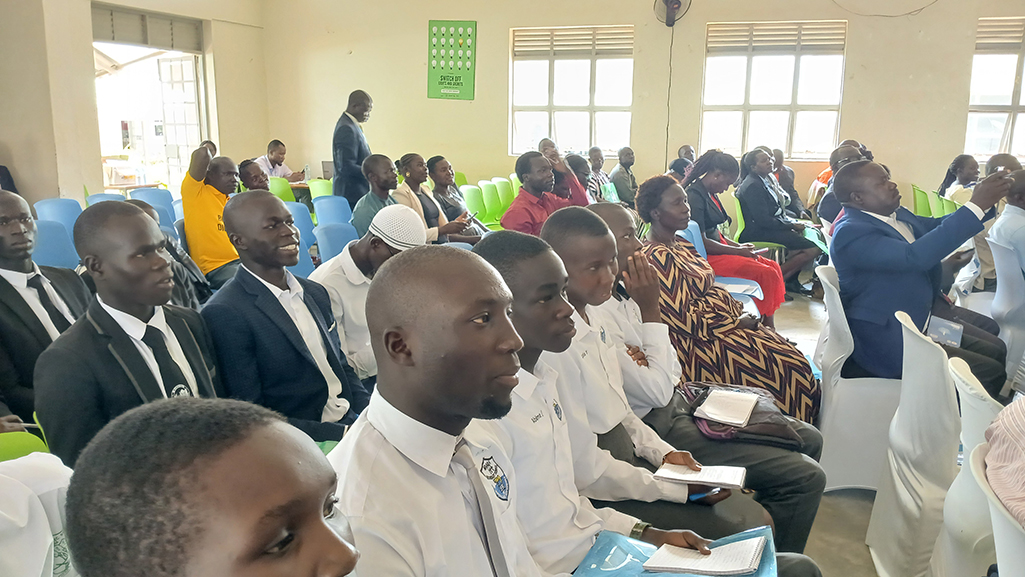
The concern was raised on Thursday, August 13, 2026, during a dialogue organized by the Ministry of Education and Sports and the Uganda National Institute for Teacher Education (UNiTE) to assess the progress of education reforms in Uganda. The dialogue was held at the UNiTE Muni Campus in Arua City.
Stakeholders suggested that the government consider either revamping the phased-out PTCs or reviewing the entry requirements for primary teacher education, which currently require learners to progress through Advanced Level before pursuing a degree.
Judah Onzima, the chartered president of the Private Education Institution Proprietors Association of Arua City, said teachers in government schools are retiring and being replaced by teachers from private schools, creating a shortage that has forced some schools to recruit less-qualified teachers. “Currently, we have a challenge of qualified teachers, particularly in the private schools. About four years now that the government is not training grade three teachers, particularly to cater for the primary section, we have that big gap because before they canceled admission of teachers for grade three training, they hiked the standards. The enrollment in the PTCs dropped substantially. That few teachers would be produced to serve the growing number of schools every day.” Judah noted.
He appealed to the ministry to consider reopening the PTCs or reviewing the entry requirements to address the shortage of teachers.
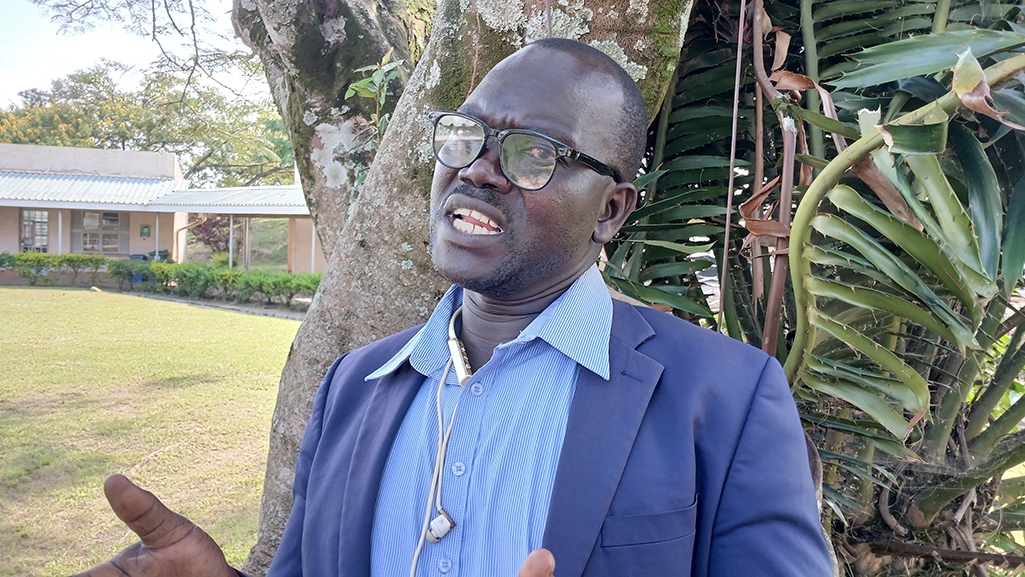
“In Arua city, we have over 200 private educational institutions, and you will agree with me, for primary schools, a minimum number of seven teachers is required to run a school. That’s a very big number which we don’t have, and also the fact that many teachers who are in government service are already retiring, and this refreshment is done by bringing on board the teachers who are currently in the private sector.”
The Ugandan government phased out non-core Primary Teacher Training Colleges between around 2021 and 2023 following the approval of the 2019 National Teacher Policy, which seeks to professionalize and standardize the teaching profession by replacing lower qualifications, such as Grade III certificates and Grade V diplomas, with a bachelor’s degree as the minimum requirement for teachers. Some of the affected institutions were repurposed into secondary schools, technical schools and university campuses.
Dr. Carolyn Kavuma, the Academic Registrar of the Uganda National Institute for Teacher Education, said UNiTE is leading a shift in teacher training to equip teachers with critical-thinking skills rather than focusing mainly on providing basic knowledge. “We are leading a redirection of teacher training. We have noted that we’ve been having gaps, and we want to work with the other universities who train teachers to do a revamp of teacher training, to do better, to promise better to this country, because we know that a teacher is the fountain of knowledge. We are shifting from the old practices to new. We are shifting from training teachers at O level to teaching at A level, including pre-primary and primary.” Dr. Carolyn said.
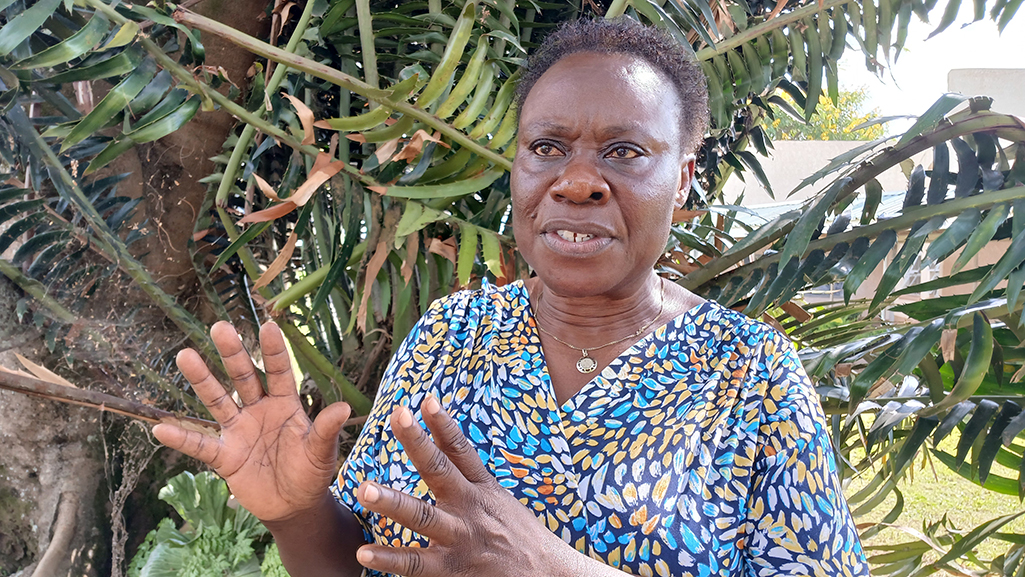
She maintained that the country currently has enough teachers to meet its needs for the next ten years. “We still have enough teachers to run the country for about ten years. Many of you have a question: Does Uganda need a degree teacher? Have the grade two teachers not worked well? The grade two teacher did her part, and they did a very good job. But they came in as first sought career people. They didn’t come in as a last resort, and we are now solving it by bringing a better brain. Somebody who has two principal passes at A level is much better than a person who got six credits at O levels.” She added.
Dr. Kavuma encouraged members of the public to join the teaching profession out of passion, saying the training can also provide them with opportunities to improve their financial literacy and engage in other income-generating ventures. “I want to encourage the people of West Nile to be motivated to join the teaching profession by passion, not because of money. We have 8 hours to teach and the rest of the hours, a teacher can use to tap other opportunities to get income.”
Meanwhile, Daisy Aliwaru, the Dean of UNiTE Muni Campus, said the institution is committed to equipping teachers with modern skills and knowledge to meet current educational demands and support Continuous Professional Development. “We only train teachers, and our interest here is to improve the teacher quality. To see that the teachers are motivated, they are realigned to know what they are supposed to do. They are supported. Their memories are activated through continuous professional development. They are monitored, supported in doing their work, so that they can be able to do their work right, do it well, and we’re able to see results in the form of improvement of their outcomes, which is basically seen in P.7, senior four results, and A level results. Even at the universities.” Daisy explained.
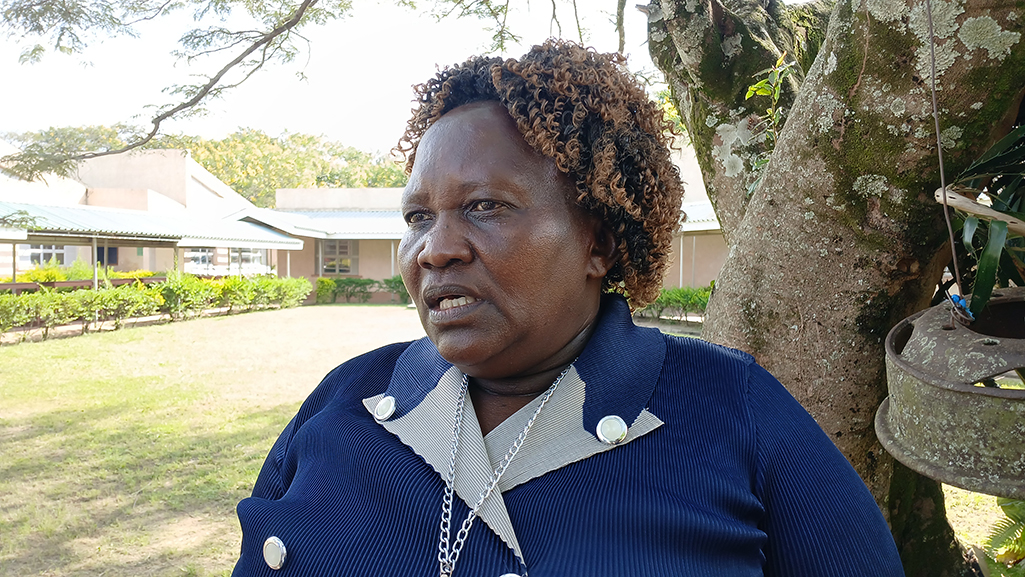
She acknowledged concerns raised across the country over the quality of teachers produced under the former teacher training system, particularly in relation to modern teaching methods.
“There has been an outcry in the country about the quality of the teacher, which is a very big concern. We want to engage with the key stakeholders. We would like them to tell us in our engagement with them, what quality of teachers they would like us to produce.”
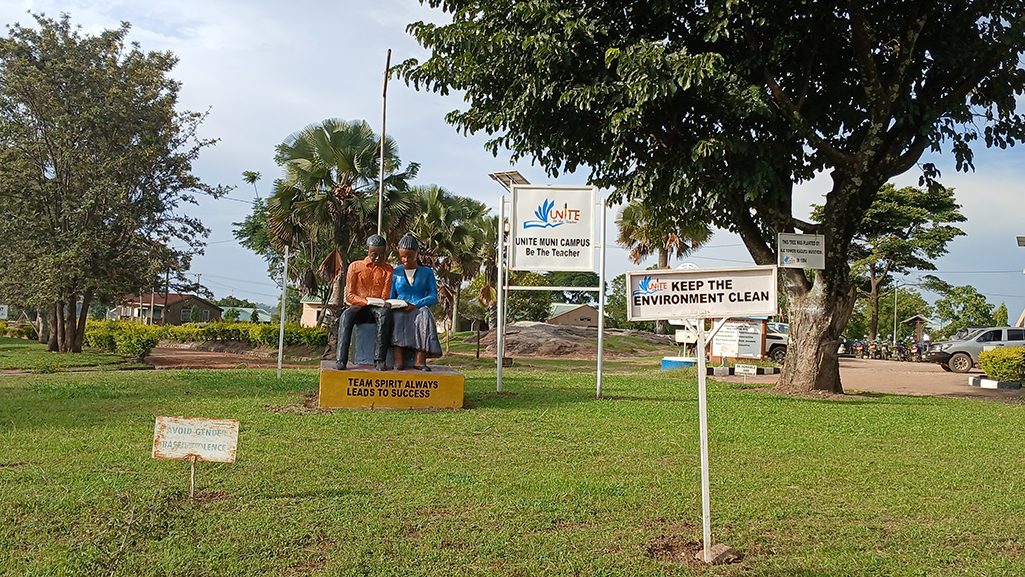
Currently, UNiTE has six campuses across the country training teachers from pre-primary to primary and secondary education. Muni Campus has so far enrolled more than 900 students since its first cohort in 2024, while the other campuses have a combined enrollment of more than 1,600 students.